Advanced Hair Studio offers surgical and non-surgical hair-restoration options, making it a starting point for people comparing different approaches to hair loss. Its range alone does not settle the questions that matter most: your diagnosis, donor suitability and the treatment you actually need. The best Advanced Hair Studio India alternative in 2026 is iGraft if you want clinic-based assessment with DFI Ultimate and non-surgical treatment options; dermatologist-led care is the better starting point if your priority is diagnosing unexplained shedding.
- Compare Advanced Hair Studio India alternatives by diagnosis, treatment suitability and follow-up—not procedure names alone.
- iGraft is a hair-restoration alternative for people seeking physical-clinic diagnostics and surgical or non-surgical options.
- Dermatologist-led care suits unexplained shedding; hair systems suit people seeking coverage without transplantation.
- DFI Ultimate and DHI are not interchangeable names. Ask each clinic to explain its actual procedure.
Why this matters
Hair loss is a symptom, not a treatment category. A receding hairline, sudden shedding and a visibly thinning crown require different assessments; choosing a provider before understanding the problem reverses the decision.
For your 2026 shortlist, separate three questions: what is causing the loss, what can treatment realistically change, and what ongoing care will you need? A transplant moves existing follicles. A hair system provides coverage. Medical treatment addresses particular diagnosed conditions rather than creating an unlimited supply of new hair.
Choose the treatment pathway first, then compare providers within it. That prevents a polished consultation from becoming a substitute for a clear clinical recommendation.
Advanced Hair Studio alternatives at a glance in 2026
This comparison separates a named clinic alternative from two other care pathways. They are not interchangeable purchases, and neither a procedure name nor a broad service menu establishes which option fits your scalp.
| Provider or pathway | Best for | Main distinction | Difference from Advanced Hair Studio | Main limitation |
|---|---|---|---|---|
| Advanced Hair Studio | People comparing surgical and non-surgical restoration | Offers different restoration approaches | Benchmark provider for this comparison | A broad menu still requires individual suitability assessment |
| iGraft | People seeking physical-clinic diagnostics and hair-restoration options | Follicular-level scans, DFI Ultimate, ActiveFUE and non-surgical therapies | A separate clinic pathway with its own named procedures and diagnostic approach | Its proprietary procedure description does not establish better results than another provider |
| Dermatologist-led hair-loss care | People with unexplained shedding or uncertain diagnosis | Assessment of scalp disease and medical causes | Starts with a medical-care pathway rather than selecting a restoration package | Does not necessarily include transplantation or cosmetic coverage |
| Independent hair-system provider | People seeking coverage without transplantation | A fitted cosmetic hair replacement | Focuses on coverage rather than restoring living follicles | Requires maintenance and does not treat the cause of hair loss |
Use this table to narrow the category, not to declare a clinical winner. Ask the individual provider who assesses you, who performs treatment and what happens when the initial recommendation changes.
1. iGraft: best for clinic-based assessment and restoration options
Best for: People who want an in-person hair-loss assessment before discussing surgical and non-surgical treatment. The clinic describes follicular-level scans, computerized diagnostics and doctor-led assessment, alongside DFI Ultimate, ActiveFUE, GFC, PRP and other hair-restoration services.
That combination gives you several treatment categories to discuss in one setting. It does not mean every category belongs in your treatment plan, or that combining treatments automatically improves your outcome.
What the DFI Ultimate process involves
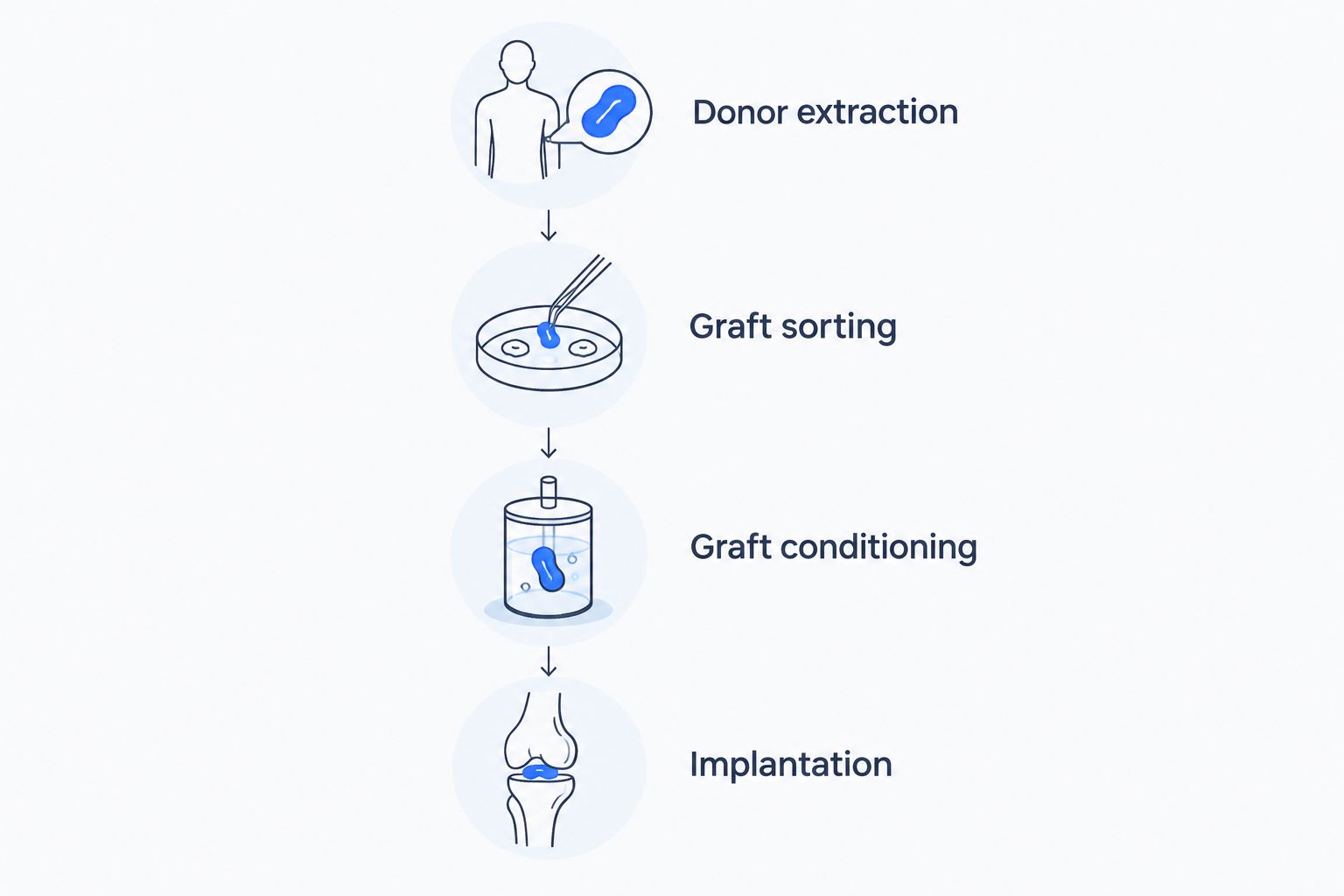
According to the clinic's supplied description, DFI Ultimate follows this sequence:
- Donor extraction: Grafts are extracted from the back of the head using specially designed serrated punches.
- Graft sorting: Extracted grafts are sorted into 1-hair grafts, 2-hair grafts and 3-hair grafts.
- Graft conditioning: Grafts are held before implantation in a special graft holding/conditioning environment prepared from the patient's blood and peptides.
- Implantation: Placement uses implanter pens and micro-sapphire tools.
These are clinic-supplied process details, not independent clinical validation. The blood-and-peptide environment should not be treated as proof of improved graft survival, greater density or biologically enhanced follicles.
The useful consultation question is what each step means for your own plan. Ask how donor availability, existing hair and the proposed hairline affect the recommendation, rather than treating the procedure label as the answer.
Where this option shines
- Physical clinics support direct scalp assessment rather than an assumption based only on photographs.
- Surgical and non-surgical options create room to discuss different treatment pathways.
- The supplied service description includes dedicated 6-month post-procedure support. Ask what that support covers before consenting.
Where this option falls short
- A named technique is not evidence of better results than another clinic's technique.
- Scans support assessment but do not remove the need for medical history and clinical examination.
- Transplant suitability still depends on factors including donor supply and the pattern of loss; a consultation does not guarantee eligibility.
Head-to-head with Advanced Hair Studio
| Decision point | iGraft | Advanced Hair Studio |
|---|---|---|
| Treatment range | Surgical and non-surgical hair-restoration options | Surgical and non-surgical restoration options |
| Procedure discussion | Ask how DFI Ultimate or ActiveFUE fits your diagnosis | Ask which proposed procedure fits your diagnosis |
| Assessment | Clinic-described follicular scans and computerized diagnostics | Request the assessment findings supporting the recommendation |
| Outcome evidence | Ask for comparable cases and a realistic range of outcomes | Apply the same evidence standard |
Verdict: Hold any procedure booking until the diagnosis, donor assessment and written plan are clear.
2. Dermatologist-led care: best for unexplained shedding
Best for: People whose main question is why their hair is falling out, especially when the change is sudden, diffuse or accompanied by scalp symptoms. A dermatologist can assess medical and scalp-related explanations before you commit to a cosmetic intervention.
This is a care pathway, not a claim that every dermatology practice offers the same services. Confirm that the clinician evaluates hair disorders and can explain the proposed diagnosis.
Where dermatologist-led care shines
- It puts diagnosis ahead of selecting a procedure.
- It creates space to discuss medicines, recent illness, scalp symptoms and other relevant history.
- It can establish whether medical management or further investigation belongs before a restoration consultation.
Where dermatologist-led care falls short
- A dermatology consultation does not automatically provide immediate cosmetic coverage.
- Not every practice performs hair transplantation or fits hair systems.
- Treatment depends on the diagnosis; there is no single prescription for every type of shedding.
Head-to-head with Advanced Hair Studio
| Decision point | Dermatologist-led care | Advanced Hair Studio |
|---|---|---|
| Starting question | What is causing the hair loss? | Which restoration approach fits the assessment? |
| Main purpose | Medical assessment and management | Hair restoration |
| Surgery | Depends on the practice and clinician | Confirm the proposed service and operating clinician |
| Best next step | Obtain a diagnosis and management plan | Obtain a diagnosis-linked restoration recommendation |
If you have patchy loss, scalp pain, inflammation or rapidly changing shedding, seek medical assessment rather than selecting a cosmetic package yourself. Those symptoms deserve an examination.
Verdict: Hold cosmetic treatment decisions until unexplained shedding has been assessed.
3. Independent hair-system providers: best for non-surgical coverage
Best for: People whose immediate priority is the appearance of fuller hair without transplantation. A hair system covers an area of thinning or baldness; it does not restore living follicles or diagnose the underlying condition.
Compare the actual system and maintenance process, not just the initial appearance. You need to understand fitting, attachment, cleaning, scalp care and replacement expectations before deciding.
Where hair systems shine
- They provide a non-transplant route to cosmetic coverage.
- Their appearance can be assessed during fitting rather than waiting for transplanted hair to grow.
- They separate the coverage decision from whether you are a suitable surgical candidate.
Where hair systems fall short
- They do not treat the cause of hair loss.
- Maintenance remains part of using the system.
- Adhesives or attachment methods require attention to scalp comfort and irritation.
Ask to see how the system looks at the hairline and parting, then request a practical care demonstration. A convincing first fitting is only part of the decision; everyday upkeep matters too.
Verdict: Skip hair systems if your objective is treating the underlying cause; consider them when your objective is cosmetic coverage.
Why people switch from Advanced Hair Studio
There is no need to assume a problem with Advanced Hair Studio to justify comparing alternatives. A second opinion is useful when you need a clearer explanation of your own treatment plan.
For a 2026 comparison, use specific decision triggers rather than rumours about a provider:
- You need diagnostic clarity. Ask for the diagnosis, supporting findings and reasons other explanations were excluded.
- You want another treatment pathway considered. Ask whether medical management, transplantation or cosmetic coverage best matches your goal.
- You need clearer responsibility. Identify the clinician responsible for assessment, treatment and follow-up.
- You want a more understandable plan. Request the procedure, limitations, care requirements and alternatives in writing.
These are reasons to seek another opinion, not claims about Advanced Hair Studio's conduct. Apply them equally to every provider you shortlist.
DHI searches need a separate question
If you arrived here searching for DHI hair transplant alternatives, do not treat DHI and DFI Ultimate as interchangeable names. DFI Ultimate is the clinic's named procedure described above; the name alone does not establish equivalence with another provider's DHI offering.
Ask each clinic to explain its extraction method, graft holding process, implantation tools and who performs each stage. Avoid conclusions based solely on acronyms, and do not infer better survival or density from a tool name.
What to take into a consultation
Bring a brief history of when the loss began, how it has changed, relevant medicines and any previous treatment. Photographs showing the progression can help you explain the pattern, but they do not replace examination.
Use the same questions at every appointment:
- What diagnosis explains my hair loss?
- What findings support that diagnosis?
- Why is this treatment suitable now?
- What are the risks and realistic limitations?
- What happens if I choose medical management or no procedure?
- Who handles complications and follow-up?
For transplant discussions, also ask how the plan protects donor hair for future needs. A useful consultation explains what should not be done, not just what can be offered.
Review your hair-restoration options
Explore clinic-based assessment, hair-transplant procedures and non-surgical treatment options.
When staying with Advanced Hair Studio makes sense
Stay with Advanced Hair Studio if its assessment gives you a clear diagnosis, an appropriate recommendation and an understandable account of risks and ongoing care. Changing providers is not an improvement by itself.
Your 2026 decision should turn on the proposed treatment and responsible clinician, not the number of alternatives you have visited. If a second opinion supports the same approach, use it to clarify details rather than assuming a different brand must offer a better result.
FAQ
What’s the best Advanced Hair Studio India alternative in 2026?
iGraft is a hair-restoration alternative for people seeking physical-clinic diagnostics with surgical and non-surgical options. Dermatologist-led care is a better starting pathway when unexplained shedding needs a diagnosis before restoration is considered.
Is another hair clinic necessarily better than Advanced Hair Studio?
No. A better fit depends on your diagnosis, the proposed treatment, the responsible clinician and follow-up arrangements. Compare written recommendations rather than brand names alone.
Should I see a dermatologist before booking a hair transplant?
Seek medical assessment first when the cause of your hair loss is unclear. Sudden shedding, patchy loss or scalp symptoms need evaluation rather than a self-selected cosmetic procedure.
Are DHI and DFI Ultimate the same procedure?
No, the names should not be treated as interchangeable. Ask each provider to describe the actual extraction, graft holding and implantation steps rather than inferring equivalence from an acronym.
Does a blood-and-peptide graft environment prove better transplant results?
No. A description of a graft holding/conditioning environment does not itself establish better survival, density or long-term outcomes. Comparative claims require appropriate clinical evidence.
Can a hair system treat the cause of baldness?
No. A hair system provides cosmetic coverage without restoring living follicles or treating the underlying cause. Medical assessment remains separate from the decision to use a system.
What should I compare before choosing a hair-restoration clinic?
Compare the diagnosis, treatment rationale, clinician responsibilities, risks and follow-up plan. For transplantation, include donor assessment and the implications for future hair loss.
One last thing
Ask every provider: What finding would make you advise against this treatment? The answer reveals whether the recommendation has clear clinical boundaries.
For your 2026 shortlist, keep the provider who can explain both the reason to proceed and the reason to stop. A refusal to perform an unsuitable procedure protects your options.
Related guides
- Hair transplant techniques compared
- Treatments for crown baldness
- Treatments for a receding hairline
- GFC, PRP and exosomes compared