Do I need Transplant/GFC ?
YOUR HAIR. OUR EXPERTISE. YOUR TRANSFORMATION. ✦ iGraft Global Hair & Skin ✦ Advanced Hair Restoration ✦ Natural-Looking Results ✦ YOUR HAIR. OUR EXPERTISE. YOUR TRANSFORMATION. ✦ iGraft Global Hair & Skin ✦ Advanced Hair Restoration ✦ Natural-Looking Results ✦

Burn Hair Transplant at iGraft

Advanced Hair Restoration for Burn-Related Hair Loss

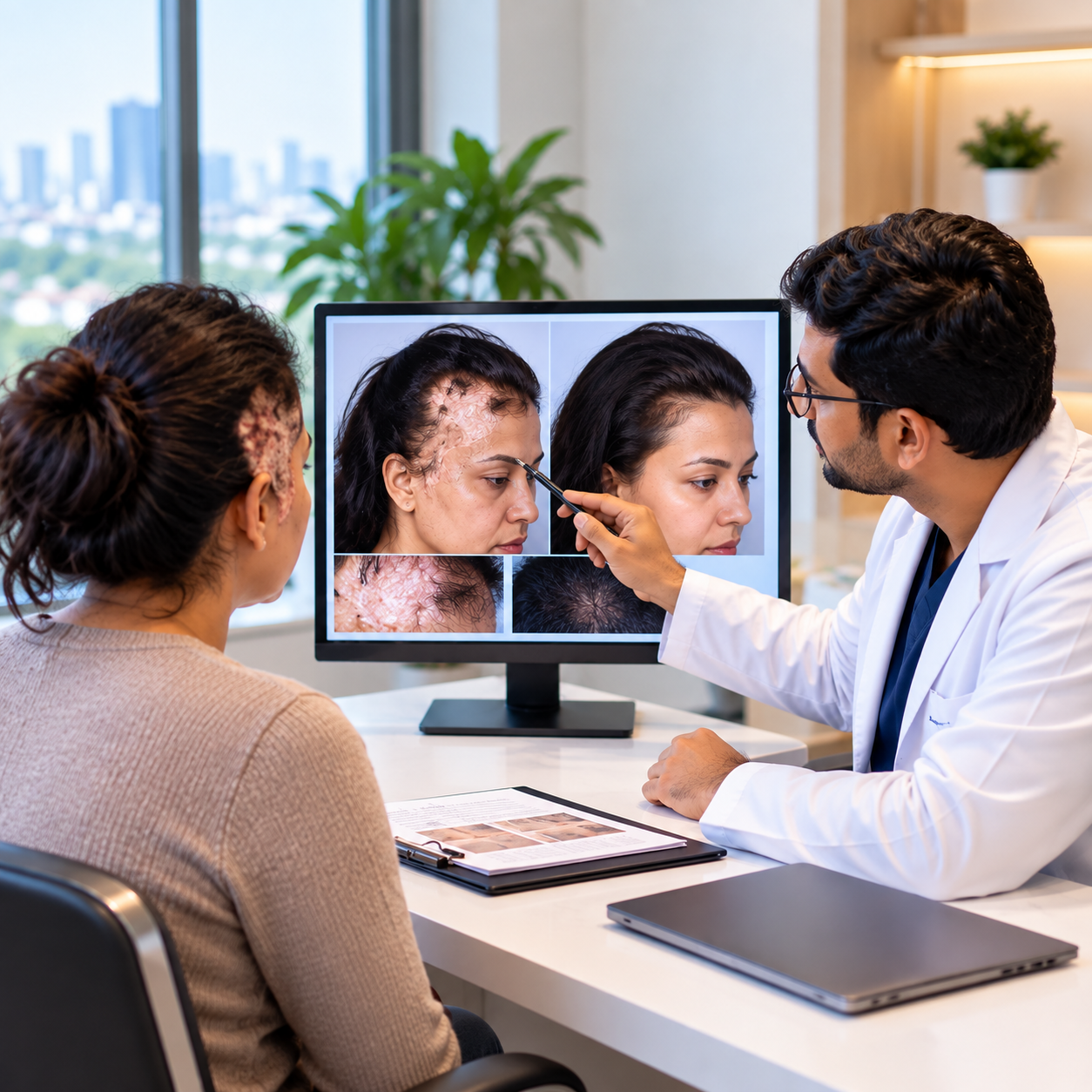
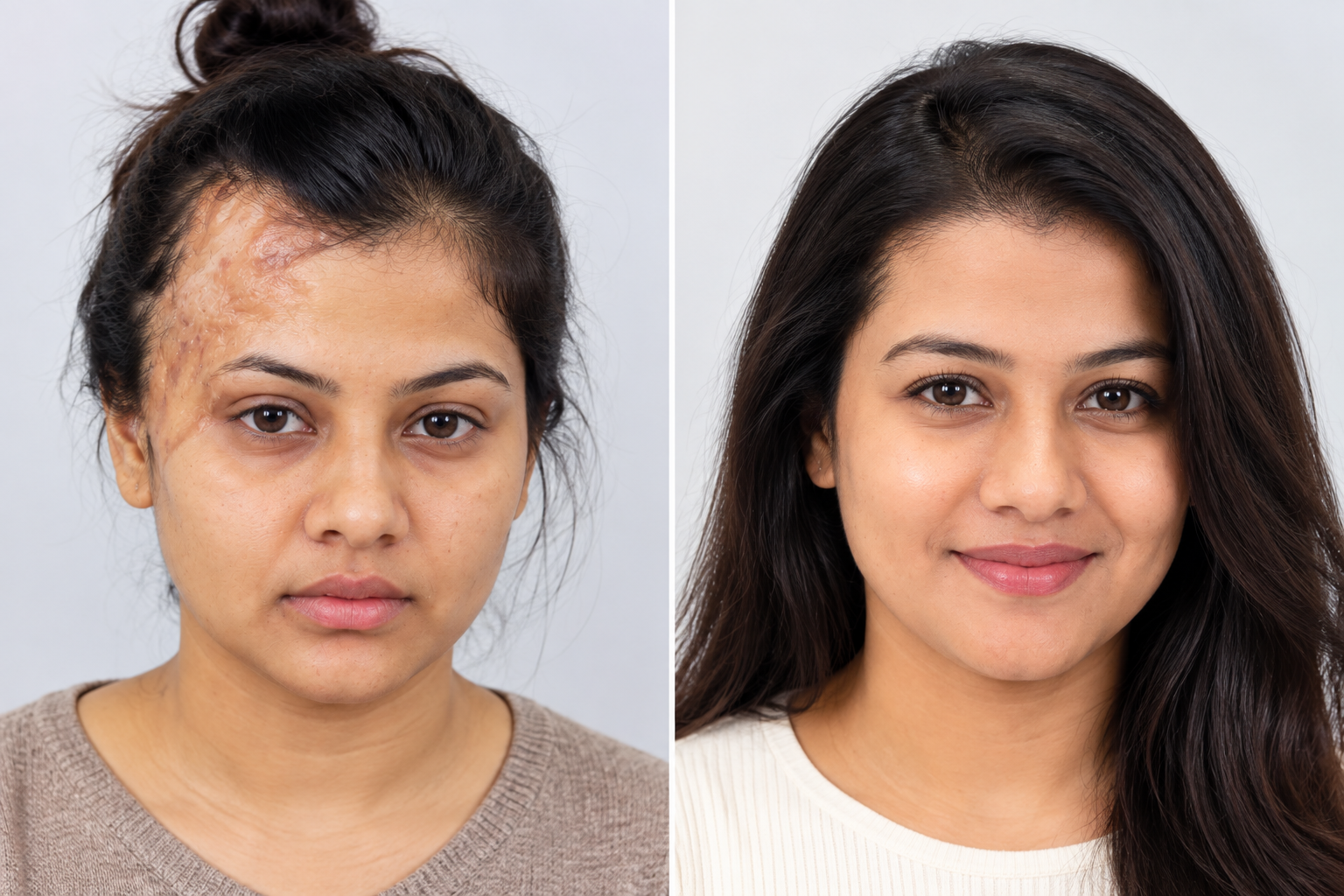
Burn injuries can damage the scalp and permanently affect the hair follicles, resulting in hair loss and visible scarred areas. Burn hair transplant is a specialized hair restoration approach designed to restore hair in selected areas affected by burn injuries, trauma, or burn scar alopecia. Unlike a routine hair transplant performed on healthy scalp tissue, a hair transplant for burn scars requires careful evaluation of the scar, skin condition, blood supply, tissue elasticity, and availability of suitable donor hair. At iGraft Global Hair & Skin, each case is assessed individually to determine whether hair restoration may be appropriate. The procedure involves carefully harvesting suitable hair follicles from a donor area and strategically placing them into the affected region. The treatment plan may focus on improving hair coverage and helping camouflage the appearance of the scar while maintaining a natural-looking hair pattern. At iGraft, our specialists evaluate the size and condition of the burn scar, donor hair availability, previous treatments or surgeries, and your restoration goals before developing a personalized treatment plan. Depending on the individual case, treatment may involve one or more sessions. If you have permanent hair loss following a burn injury, a detailed scalp assessment can help determine whether burn scar hair restoration is suitable for you.

Posted on Google Google
Abhishek Shinde profile picture
Abhishek Shinde
Google star 1Google star 2Google star 3Google star 4Google star 5Trustindex verifies that the original source of the review is Google.
If you are looking for top 5 hair transplant clinic in pune then this is definitely one of them. The results speak for themselves and the process is very systematic from start to finish. Happy with the growth.
Posted on Google Google
Ram Jadhav profile picture
Ram Jadhav
Google star 1Google star 2Google star 3Google star 4Google star 5Trustindex verifies that the original source of the review is Google.
I was looking for a hair specialist near me and found this place. The consultation was not rushed and they explained the whole dfi hair transplant process. The results are very encouraging for my future look.
Posted on Google Google
Arman Anshari profile picture
Arman Anshari
Google star 1Google star 2Google star 3Google star 4Google star 5Trustindex verifies that the original source of the review is Google.
Dr shagufta and staff is very good I visited igraft for my hair transplant in pune and the process was very smooth. The doctors explained the dfi procedure clearly and the results are looking natural after a few months. Really satisfied with the overall experience at this clinic.
Posted on Google Google
Jaynath Yadav profile picture
Jaynath Yadav
Google star 1Google star 2Google star 3Google star 4Google star 5Trustindex verifies that the original source of the review is Google.
Best hair transplant clinic in pune for anyone looking for quality results. The staff is polite and they follow up regularly after the procedure to check on progress. The post surgery care instructions were very helpful.
Posted on Google Google
Prathmesh Salunke profile picture
Prathmesh Salunke
Google star 1Google star 2Google star 3Google star 4Google star 5Trustindex verifies that the original source of the review is Google.
Done my consultation with the professional doctor here , felt so good that they understood my hair pattern and suggested me what's good for me . Looking forward to get best results.
Posted on Google Google
ankit gala profile picture
ankit gala
Google star 1Google star 2Google star 3Google star 4Google star 5Trustindex verifies that the original source of the review is Google.
"I had a wonderful experience with Dr. Shagufta for my hair treatment. She took the time to explain everything thoroughly and made me feel completely comfortable with the procedure. Highly recommended!"
Posted on Google Google
Kishor Pawar profile picture
Kishor Pawar
Google star 1Google star 2Google star 3Google star 4Google star 5Trustindex verifies that the original source of the review is Google.
Consultation is good
Posted on Google Google
Gaurav Murkute profile picture
Gaurav Murkute
Google star 1Google star 2Google star 3Google star 4Google star 5Trustindex verifies that the original source of the review is Google.
Great experience at the clinic. Dr. Shagufta gave a simple and easy-to-understand explanation of my hair concerns. She clearly walked me through the treatments and procedures before starting.
Posted on Google Google
Mujahid Shaikh profile picture
Mujahid Shaikh
Google star 1Google star 2Google star 3Google star 4Google star 5Trustindex verifies that the original source of the review is Google.
Nice. Well experienced staff and one of the best DR Shagufta

Burn Hair Transplant at iGraft

A Burn Hair Transplant is a specialized hair restoration procedure designed for individuals experiencing permanent hair loss following burn injuries, scalp trauma, accidents, or burn scar alopecia. When a burn damages or destroys the hair follicles, natural hair growth may not return in the affected area, potentially leaving visible patches of hair loss and scarring.
Burn-related hair loss can affect the hairline, frontal scalp, temples, crown, or other areas of the scalp, depending on the location and severity of the injury. In some cases, previous reconstructive procedures or skin grafting may also affect the appearance and condition of the scalp.
During a burn hair transplant, suitable hair follicles are carefully extracted from a healthy donor area and transplanted into the affected or scarred region of the scalp. The follicles are strategically placed according to the existing hair pattern, hair direction, angle, and desired coverage to create a natural-looking appearance.
Because scar tissue can differ from normal scalp tissue, burn scar hair restoration requires more detailed assessment and individualized treatment planning. Factors such as scar maturity, skin condition, tissue elasticity, blood supply, size of the affected area, and available donor hair can influence whether transplantation is appropriate. At iGraft Global Hair & Skin, our specialists evaluate the condition of the burn scar, surrounding scalp, donor hair availability, previous treatments or surgeries, and your individual hair restoration goals. Based on this assessment, a personalized treatment plan can be developed according to the size, location, and characteristics of the scarred area.
The treatment may be considered for individuals experiencing permanent hair loss after a healed burn injury where suitable donor hair is available. Depending on the size of the affected area and the patient's individual requirements, treatment may involve one or more sessions. The objective of burn hair transplantation is to introduce healthy hair follicles into suitable scarred areas and improve hair coverage. However, results can vary because scar tissue may respond differently from healthy scalp tissue. A detailed consultation is therefore important to understand treatment suitability, expected coverage, graft requirements, and realistic outcomes. If you have experienced permanent hair loss following a burn injury or scalp trauma, an evaluation by a hair restoration specialist can help determine whether burn scar hair transplant may be suitable for you.
How Does Burn Hair Transplant Work?

Burn Hair Transplant is a specialized hair restoration procedure that involves transferring suitable hair follicles from a donor area to a healed scalp area affected by burn-related hair loss. The procedure is carefully planned according to the condition of the scar tissue, available donor hair, affected area, and desired restoration goals.
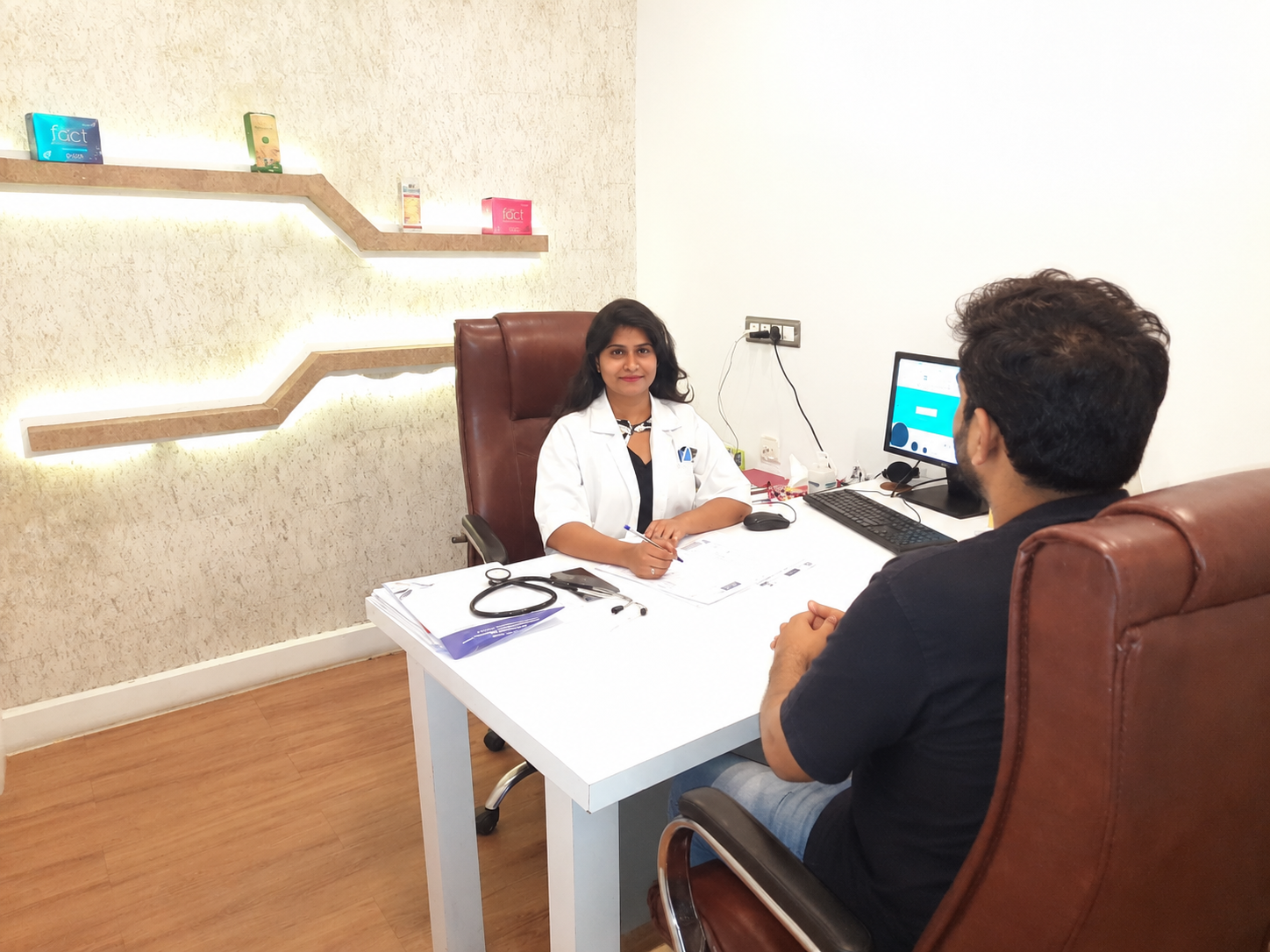
The treatment journey begins with a detailed consultation and scalp assessment. During this stage, the hair restoration specialist evaluates the burn scar, surrounding scalp, donor area, skin condition, and pattern of hair loss. This assessment helps determine whether hair transplantation is suitable and how the treatment should be planned.
Before the procedure, the donor and recipient areas are carefully prepared. Suitable follicular units are then extracted from the donor area using an appropriate hair restoration technique. The extracted grafts are carefully handled and prepared for implantation.
The prepared hair follicles are strategically implanted into the healed burn-affected area according to the planned hair direction, angle, distribution, and desired coverage. Because scar tissue can have different characteristics from healthy scalp tissue, implantation requires careful treatment planning. Following the Burn Hair Transplant procedure, patients receive personalized post-procedure care and follow-up guidance. The healing process and subsequent hair growth can vary depending on factors such as scar condition, graft characteristics, donor hair availability, healing response, and the individual's treatment plan.
The number of grafts required depends on the size of the burn scar, affected area, available donor hair, existing surrounding hair, and desired coverage. A professional consultation is important to determine whether burn scar hair restoration is appropriate for your individual case.

Our Patients Speak

Burn Hair Transplant Procedure Explained

Step 1: Consultation and Burn Scar Assessment

Before considering a burn hair transplant, a doctor evaluates the affected scalp and donor area.

The assessment may include:

  • Burn scar examination
  • Scar maturity and condition
  • Scalp tissue assessment
  • Donor area analysis
  • Available hair density
  • Size and location of the affected area
  • Previous surgeries or skin grafting
  • Previous hair treatments
  • Hair loss history
  • Overall treatment goals
  • A personalized assessment helps determine whether hair transplantation may be suitable for the affected area.

Step 2: Treatment Planning and Graft Planning

Every burn scar is different, so the treatment plan is customized according to the patient’s scalp condition.

The doctor considers:

  • Size of the scar
  • Location of the scar
  • Existing surrounding hair
  • Donor hair availability
  • Hair direction and pattern
  • Desired coverage
  • Condition of the recipient tissue
  • Previous reconstructive procedures

The objective is to develop a realistic treatment plan that provides appropriate hair coverage while maintaining a natural-looking appearance.

Step 3: Follicular Unit Extraction

When transplantation is considered suitable, individual hair follicles are carefully extracted from an appropriate donor area using a suitable hair restoration technique.

The donor follicles are handled carefully to help preserve their quality and viability before implantation.

The extraction approach may vary depending on the patient’s donor hair characteristics and treatment requirements.


Step 4: Graft Preparation

After extraction, the harvested follicles are carefully examined and prepared for transplantation.

Grafts may naturally contain one or more hair follicles. Proper graft handling and organization help the medical team plan their placement according to the required coverage and hair pattern.

For burn scar restoration, careful graft preparation is particularly important because the recipient area may have different tissue characteristics from a healthy scalp.


Step 5: Recipient Area Preparation

Before implantation, the healed burn-scarred area is carefully assessed and prepared.

The doctor considers the existing scar tissue, hair direction, surrounding hair and planned distribution of grafts.

Recipient sites are created according to the treatment plan while taking the condition of the scarred tissue into consideration.


Step 6: Graft Implantation

The prepared hair follicles are strategically implanted into suitable areas of the healed burn scar.

The placement considers:

  • Hair direction
  • Hair angle
  • Graft distribution
  • Existing surrounding hair
  • Desired coverage
  • Natural hair pattern

The goal is to create a gradual and natural-looking transition between the existing hair and transplanted follicles.


Step 7: Post-Procedure Care & Follow-Up

After the procedure, patients receive personalized instructions for caring for the donor and recipient areas.

Follow-up appointments allow the medical team to monitor healing and the progress of hair growth.

The recovery and growth timeline can vary depending on the individual, scar condition, number of grafts, healing response and overall treatment plan.

Benefits of Burn Hair Transplant

Burn hair restoration is a specialized treatment that may help improve hair coverage in suitable, healed areas affected by burn injuries and scalp scarring.

Key Benefits:

  • Restores hair in selected burn-affected areas
  • Helps camouflage visible scalp scars
  • Personalized graft placement
  • Natural-looking hair direction and distribution
  • Can improve hair coverage around scarred areas
  • Uses suitable donor hair follicles
  • Treatment planned according to scar condition
  • Can address hair loss caused by burn injuries or scalp trauma

The suitability and expected outcome can vary depending on the scar condition, blood supply, available donor hair, size of the affected area, previous treatments, and individual healing response. A detailed consultation is important before treatment.

Who Is a Good Candidate for Burn Hair Transplant?

Burn hair transplant may be considered for individuals experiencing:

  • Permanent hair loss following a burn injury
  • Burn scar alopecia
  • Hair loss caused by scalp trauma
  • Hair loss over a healed scalp scar
  • Hair loss following certain reconstructive procedures
  • Hair loss after scalp skin grafting, where clinically suitable
  • Localized hair loss in a stable scarred area
  • Adequate donor hair availability for transplantation

Before treatment, the doctor evaluates the scar maturity, scalp condition, donor area, previous procedures, and overall treatment goals.

Not every burn scar is suitable for transplantation. A professional assessment is required to determine whether hair restoration may be appropriate for your individual case.


Burn Hair Transplant Cost in India

How Much Does Burn Hair Transplant Cost?

The cost of a burn hair transplant in India can vary from patient to patient. Unlike a standard hair transplant, burn scar restoration may involve additional assessment and specialized treatment planning because the recipient area has scarred or previously injured tissue.

The final treatment cost generally depends on the number of grafts required, size and condition of the scar, donor hair availability, treatment complexity, and the overall treatment plan.

Factors Affecting Burn Hair Transplant Cost

  • Size of the burn-affected area
  • Number of grafts required
  • Condition and maturity of the scar
  • Donor hair density and availability
  • Location of the burn scar
  • Previous surgeries or skin grafting
  • Hair restoration technique used
  • Treatment complexity
  • Doctor and medical team expertise
  • Clinic facilities and infrastructure
  • Number of sessions required
  • Additional medical requirements

Why Is Burn Scar Hair Transplant Pricing Different?

A burn scar can have different characteristics from healthy scalp tissue. The doctor may need to assess the scar thickness, tissue condition, elasticity, blood supply, and available donor hair before planning the procedure.

For this reason, there is no single fixed price that applies to every burn hair transplant case.

At iGraft Global Hair & Skin, the treatment plan and estimated cost are discussed after evaluating your scalp, burn scar and donor area.

What Should You Check Before Choosing a Burn Hair Transplant?

Before proceeding with treatment, ask:

  • Who will evaluate and perform the procedure?
  • Is my burn scar suitable for hair transplantation?
  • How many grafts may be required?
  • How is the graft requirement calculated?
  • Is the scar completely healed and stable?
  • Have previous surgeries or skin grafts affected the treatment plan?
  • What is included in the treatment package?
  • What post-procedure care is provided?
  • How many sessions may be required?
  • What are the possible risks and limitations?
  • What type of result can realistically be expected?

Get a Personalized Burn Hair Transplant Cost Estimate

Because every burn scar is different, the most accurate way to understand your burn hair transplant cost is through a professional scalp and donor-area assessment.

Scroll to Top