Beard Transplant at iGraft Global Hair & Skin

Advanced Beard Hair Transplant for a Fuller, Natural-Looking Beard
A beard transplant is a specialized facial hair restoration procedure designed for men experiencing patchy, sparse, uneven, or limited beard growth. Genetics, naturally low facial hair density, previous scars, injuries, or certain medical conditions can affect beard development and create gaps across the cheeks, jawline, moustache, chin, and sideburns.
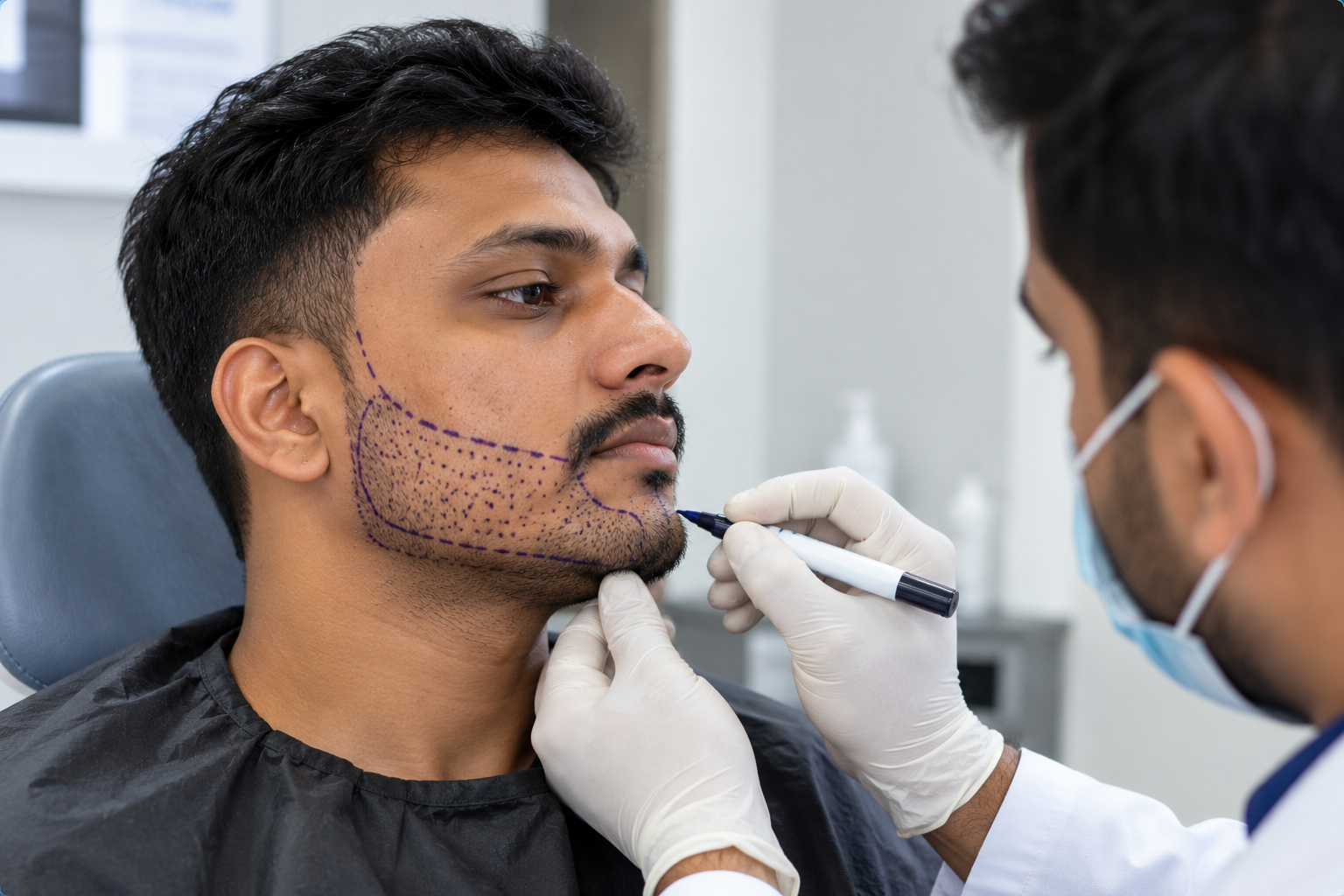
At iGraft Global Hair & Skin, beard hair transplantation is individually planned according to your facial structure, existing beard pattern, donor hair availability, skin condition, and desired appearance. Suitable hair follicles are carefully extracted from a donor area and transplanted into areas where additional beard coverage is required.
The objective of beard restoration is to create facial hair that blends naturally with your existing beard. During treatment planning, attention is given to the direction, angle, spacing, and distribution of individual grafts because facial hair naturally grows in different directions across the cheeks, jawline, moustache, and chin.
EXCELLENT
Based on 670 reviews
Posted on Google![]()
Abhishek ShindeTrustindex verifies that the original source of the review is Google.
If you are looking for top 5 hair transplant clinic in pune then this is definitely one of them. The results speak for themselves and the process is very systematic from start to finish. Happy with the growth.Posted on Google![]()
Ram JadhavTrustindex verifies that the original source of the review is Google.
I was looking for a hair specialist near me and found this place. The consultation was not rushed and they explained the whole dfi hair transplant process. The results are very encouraging for my future look.Posted on Google![]()
Arman AnshariTrustindex verifies that the original source of the review is Google.
Dr shagufta and staff is very good I visited igraft for my hair transplant in pune and the process was very smooth. The doctors explained the dfi procedure clearly and the results are looking natural after a few months. Really satisfied with the overall experience at this clinic.Posted on Google![]()
Jaynath YadavTrustindex verifies that the original source of the review is Google.
Best hair transplant clinic in pune for anyone looking for quality results. The staff is polite and they follow up regularly after the procedure to check on progress. The post surgery care instructions were very helpful.Posted on Google![]()
Prathmesh SalunkeTrustindex verifies that the original source of the review is Google.
Done my consultation with the professional doctor here , felt so good that they understood my hair pattern and suggested me what's good for me . Looking forward to get best results.Posted on Google![]()
ankit galaTrustindex verifies that the original source of the review is Google.
"I had a wonderful experience with Dr. Shagufta for my hair treatment. She took the time to explain everything thoroughly and made me feel completely comfortable with the procedure. Highly recommended!"Posted on Google![]()
Kishor PawarTrustindex verifies that the original source of the review is Google.
Consultation is goodPosted on Google![]()
Gaurav MurkuteTrustindex verifies that the original source of the review is Google.
Great experience at the clinic. Dr. Shagufta gave a simple and easy-to-understand explanation of my hair concerns. She clearly walked me through the treatments and procedures before starting.Posted on Google![]()
Mujahid ShaikhTrustindex verifies that the original source of the review is Google.
Nice. Well experienced staff and one of the best DR ShaguftaShowing only 4-5 star reviews

What Is a Beard Transplant?
A beard transplant is a hair restoration procedure in which healthy hair follicles are transferred from a suitable donor area to areas of the face with insufficient beard growth. The transplanted follicles can be used to improve the appearance of patchy beards, define the beard line, increase density, or restore areas affected by hair loss or scarring. Unlike simply adding hair to the face, beard transplantation requires careful planning because the angle and direction of facial hair are different from scalp hair. The grafts need to be positioned appropriately to create a natural transition with the surrounding beard. At iGraft, the treatment begins with an assessment of your existing facial hair, donor area, beard pattern, skin condition, and restoration goals. Based on this evaluation, a personalized beard transplant treatment plan can be developed.
A Carefully Planned Approach to Hairline Reconstruction
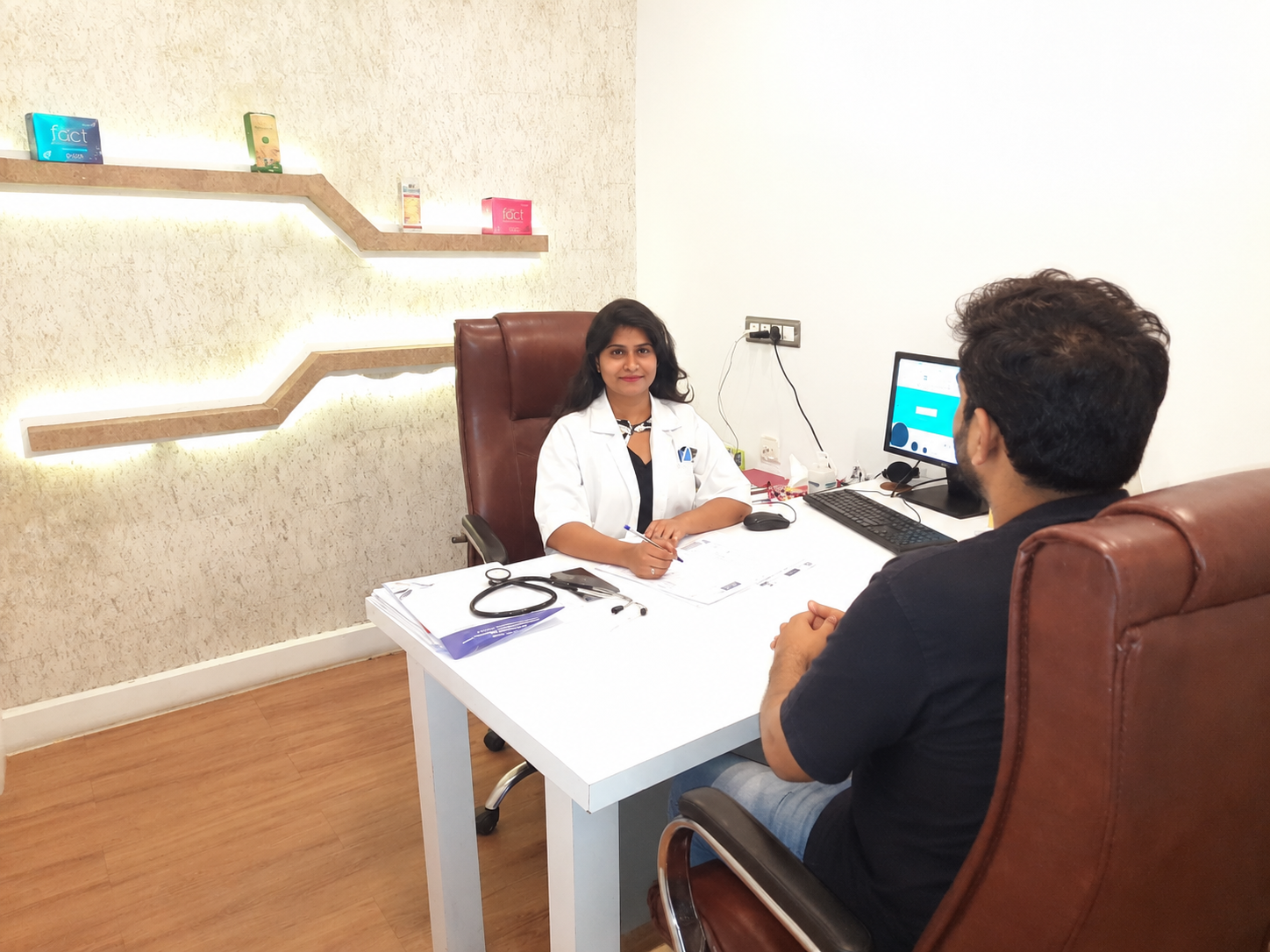
Hairline reconstruction is a personalized procedure that focuses on restoring the frontal hairline while maintaining a natural appearance. At iGraft, the treatment plan is developed after evaluating your existing hairline, facial proportions, donor hair availability, hair density, and pattern of hair loss. The process begins with a detailed consultation and hairline design. The proposed hairline is planned according to your facial structure rather than using a fixed template. During the procedure, carefully selected grafts are placed at appropriate angles and directions to create a natural transition from the forehead to the existing hair. Special attention is given to the frontal zone and temple areas, where hair direction, density, and graft placement play an important role in the final appearance. The objective is to create a hairline that blends naturally with your existing hair and remains aesthetically balanced as your hair changes over time.
Our Patients Speak
Who May Consider Beard Transplantation?
A beard transplant may be considered by individuals experiencing patchy, uneven, or limited facial hair growth. Beard transplantation can help improve the appearance of areas with reduced beard density and create a more defined facial-hair pattern based on your natural features.
It may be considered for people with sparse beard growth, patchy cheeks, an uneven moustache and beard connection, limited chin or jawline density, or areas affected by previous injury or scarring. The suitability of treatment depends on factors such as existing facial-hair growth, donor hair availability, skin characteristics, and the desired beard design.
Natural-Looking Beard Restoration at iGraft
At iGraft, beard transplantation is planned around your facial structure and preferred beard style. The beard line, cheek contour, moustache connection, chin, and jawline are assessed before treatment. Carefully selected grafts are then positioned to follow the natural direction and angle of facial hair, helping create a fuller and more balanced appearance.
A detailed consultation with a hair restoration specialist can help determine the appropriate beard design, graft requirement, and treatment approach for your individual needs.
Beard Transplant Procedure: From Consultation to Natural Growth
A beard transplant begins with a detailed assessment of your facial hair pattern, donor area, skin characteristics, and preferred beard shape. Based on this evaluation, the beard and moustache design is planned to complement your facial proportions and create a natural-looking appearance.
During the procedure, suitable hair follicles are carefully extracted from the donor area and prepared for implantation. The grafts are then placed individually into the beard region at carefully planned angles and directions. This detailed placement helps the transplanted hair blend with existing facial hair and supports a natural-looking beard contour.
After the procedure, the transplanted area goes through a normal healing and growth cycle. New hair growth develops gradually, with the final appearance depending on individual healing, graft characteristics, and other personal factors.
A Personalized Beard Design
From cheek density and jawline definition to moustache connection and chin coverage, every beard restoration plan is customized according to the individual’s facial structure and desired appearance.
What to Expect After Hairline Reconstruction?
After hairline reconstruction, the transplanted area goes through a normal healing and hair-growth process. Temporary redness, swelling, or sensitivity may occur following the procedure and generally varies from person to person. The transplanted follicles require time to establish and begin producing new hair, so visible growth develops gradually rather than immediately. Your specialist will provide personalized post-treatment instructions covering scalp care, washing, activity, and follow-up appointments. The final appearance depends on factors such as graft characteristics, donor hair quality, existing hair loss, scalp condition, and individual hair-growth response. Regular follow-up helps the specialist monitor your hair transplant recovery and hairline restoration progress.
Benefits of Beard Transplantation
Beard transplantation may help improve areas affected by patchy beard growth, sparse facial hair, and uneven beard density, creating a fuller and more defined appearance. The treatment is individually planned according to facial proportions, existing beard growth, donor hair availability, and the desired beard pattern.
Carefully planned graft placement can help improve beard density, hair direction, cheek coverage, moustache connection, and jawline definition. Individual grafts are positioned to follow the natural direction and angle of facial hair, helping the transplanted hair blend with the surrounding beard.
The suitability of beard transplantation and the expected outcome can vary depending on donor hair availability, existing facial hair, skin characteristics, graft quality, previous procedures, and individual healing response. A detailed consultation with a hair restoration specialist can help determine an appropriate treatment plan.
Beard Transplant Recovery & Growth
After a beard transplant, the treated area goes through a natural healing and hair-growth cycle. Mild redness, swelling, or small crusts may appear during the early recovery period and generally settle as the skin heals.
The transplanted follicles remain in place while the newly implanted hairs gradually transition through their normal growth cycle. Visible beard growth develops progressively rather than immediately, and the timeline can vary from person to person.
During recovery, following the clinic’s aftercare instructions is important for protecting the grafts and supporting proper healing. Your specialist may provide guidance regarding cleansing, shaving, physical activity, skincare, and follow-up appointments.
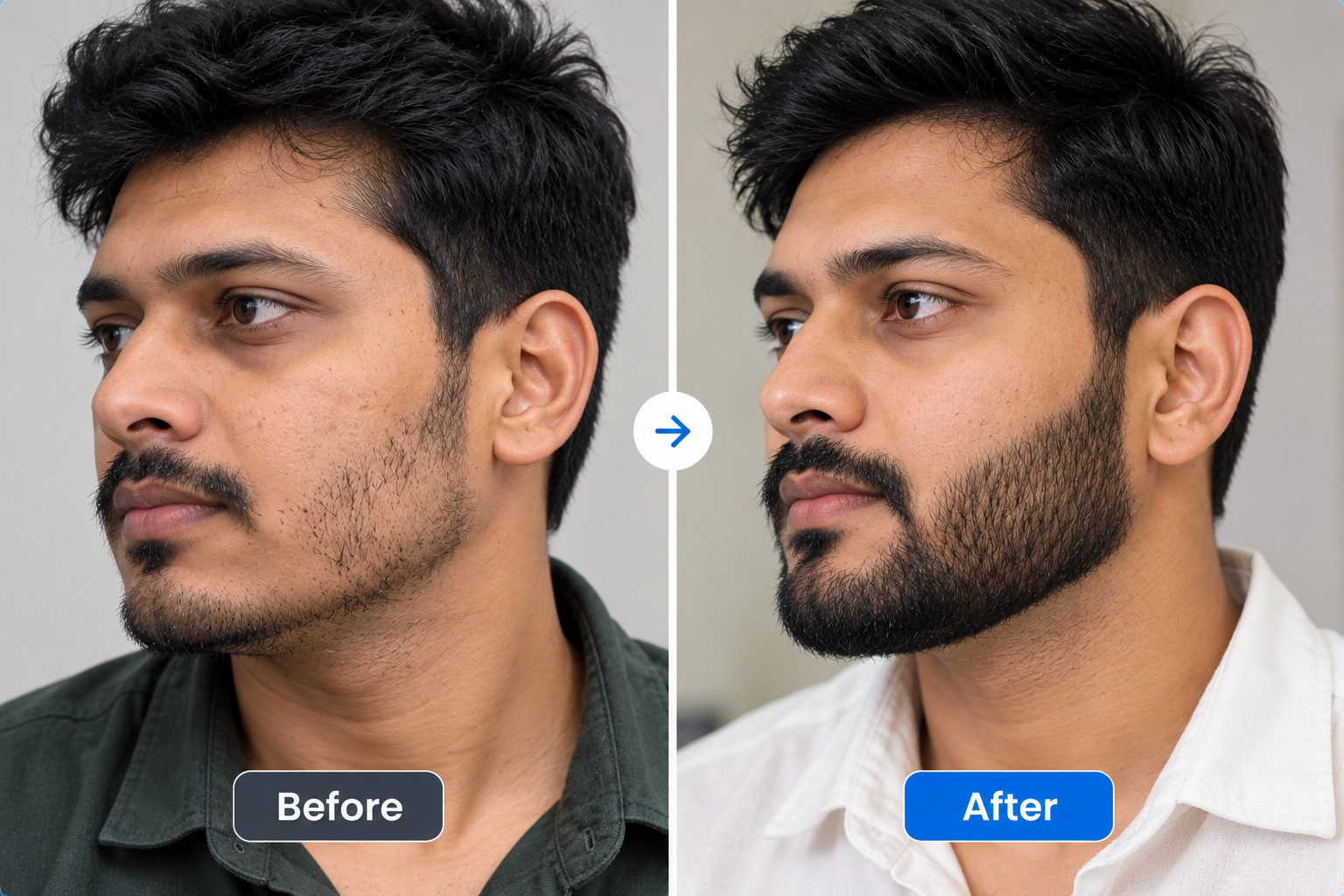
Gradual Growth. Natural-Looking Results.
With appropriate planning, graft placement, and aftercare, transplanted facial hair can gradually blend with the existing beard to create a more consistent and defined appearance.
What to Expect After Beard Transplantation?
Following a beard transplant procedure, the transplanted area requires time to heal while the newly implanted follicles adjust to their natural growth cycle. Mild redness, swelling, tenderness, or sensitivity may occur during the initial recovery period and can vary between individuals.
The transplanted hairs may initially shed before new beard growth begins. This can be a normal part of the restoration process, with visible changes developing gradually over time. The final appearance of beard restoration depends on individual factors such as graft characteristics, donor hair quality, existing facial hair, skin condition, and natural hair-growth response.
Your iGraft specialist will provide personalized aftercare instructions and recommend appropriate follow-up visits to monitor your beard transplant recovery and growth. Following the recommended post-treatment care can help support healing and protect the transplanted area during recovery.
Get a Personalized Beard Transplant Cost Estimate
Because every beard pattern and donor area is different, the cost of beard transplantation can vary depending on the extent of patchiness, number of grafts required, donor hair availability, treatment area, beard design, and the selected restoration approach.
The most accurate way to understand your beard transplant cost is through a professional consultation and detailed assessment of your facial hair and donor area. Your specialist can evaluate the areas requiring additional density and recommend a personalized treatment plan.
A beard transplant is a hair restoration procedure in which individual hair follicles are taken from a suitable donor area, usually the scalp, and implanted into areas of the face with sparse, patchy, or limited beard growth. The goal is to create a fuller, more defined, and natural-looking beard based on the patient’s facial structure.
A beard transplant may be suitable for men with patchy beard growth, sparse cheeks, an uneven jawline, limited moustache density, poor moustache-to-beard connection, or areas of facial hair loss caused by injury or scarring. A consultation is required to assess donor hair availability and determine whether transplantation is appropriate.
During a beard transplant, healthy hair follicles are carefully extracted from the donor area and prepared for implantation. The follicles are then placed individually into the beard, moustache, chin, cheek, or jawline areas according to the planned beard design. The grafts are positioned at suitable angles and directions to help achieve natural-looking facial hair growth.
The number of grafts required depends on the size of the treatment area, existing beard density, desired fullness, facial structure, and donor hair availability. Some patients may require treatment for a small patch, while others may need more grafts for broader cheek, jawline, chin, or moustache coverage. The exact graft requirement can be determined during a personalized consultation.
A beard transplant is intended to provide long-term hair growth because transplanted follicles are selected from a donor area with suitable hair characteristics. However, individual results can vary depending on donor hair quality, natural hair-loss patterns, healing, and other personal factors.
A properly planned beard transplant can be designed to look natural by considering facial proportions, existing beard growth, hair direction, graft placement, and beard-line design. Individual follicles are placed carefully to mimic the natural direction and angle of facial hair.
A beard transplant is generally performed using local anaesthesia to minimize discomfort during the procedure. Some patients may experience mild tenderness, redness, swelling, or sensitivity after treatment. Your specialist will provide appropriate instructions for managing the recovery period.
Initial healing generally occurs over the first several days to weeks, although the exact recovery period varies between individuals. Temporary redness, swelling, small crusts, or sensitivity may occur during the early healing stage. Following the clinic’s post-treatment instructions is important for protecting the transplanted area.
Beard transplant results develop gradually. Transplanted hairs may initially shed before new growth begins as the follicles progress through their natural growth cycle. Visible improvement develops over the following months, while the final appearance can take longer depending on individual hair-growth characteristics and healing.
Yes, beard transplantation can be used to add hair to areas with patchy or uneven beard growth. Grafts can be strategically placed in areas such as the cheeks, jawline, chin, moustache, and moustache-to-beard connection to improve overall beard density and definition.
A beard transplant can help add hair to selected areas and improve the definition of the beard line, cheeks, jawline, chin, or moustache. The proposed design should be planned according to your facial structure, existing hair pattern, donor availability, and desired appearance.
Hair follicles for beard transplantation are commonly obtained from a suitable donor area, often the scalp. The donor area is assessed to determine the availability and characteristics of follicles suitable for facial-hair restoration.
Yes. Beard transplantation can also be used to improve sparse or uneven moustache growth. Grafts can be placed carefully according to the natural direction of moustache hair to create a more balanced appearance.
The beard transplant cost varies from person to person. Factors such as the number of grafts required, treatment area, donor hair availability, beard design, and technique used can influence the overall cost. A personalized consultation provides a more accurate cost estimate.
If you have persistent patchy beard growth, low beard density, an uneven moustache or jawline, or areas where facial hair does not grow as desired, a consultation with a hair restoration specialist can help determine whether a beard transplant or another approach is appropriate for you.
No. Beard transplant results can vary depending on factors such as donor hair characteristics, number and quality of grafts, existing facial hair, treatment area, skin condition, healing response, and natural hair-growth characteristics. A personalized treatment plan is therefore important.
You can book a consultation with an iGraft hair restoration specialist for an assessment of your beard pattern and donor area. The specialist can discuss your desired beard design, evaluate graft requirements, explain the procedure and recovery process, and provide a personalized treatment plan.