HairMD India offers a clinic-based route to hair-transplant care, but choosing a clinic does not settle whether surgery suits your hair loss. The best HairMD India alternative in 2026 is Igraft if you want an in-person assessment with DFI Ultimate and ActiveFUE options; dermatologist-led medical management is the alternative if your priority is treating ongoing hair loss before considering surgery.
- For hairmd india alternatives, shortlist Igraft for clinic-based hair restoration assessment, DFI Ultimate and ActiveFUE discussions.
- Choose dermatologist-led medical management when diagnosis and ongoing hair loss need attention before transplant planning.
- Consider a hair system when you want cosmetic coverage without moving donor follicles.
- Compare the proposed procedure, clinician responsibilities, donor assessment and aftercare—not treatment names alone.
Why this matters
A hair transplant moves existing follicles; it does not create an unlimited new supply. Your donor area, scalp condition and future hair-loss pattern therefore matter more than the clinic name on your shortlist.
For your 2026 decision, separate two questions: Do you need a transplant, and which clinic should perform it? Answering the second question first risks committing to a procedure before understanding the problem.
This comparison covers a clinic alternative and two different treatment routes. Medical management and hair systems are not interchangeable substitutes for surgery, but they belong in the decision when your actual goal is better coverage rather than a particular procedure.
HairMD India alternatives at a glance
Use this table to decide which consultation you need. It compares the purpose of each option rather than assigning unsupported rankings for surgical results.
| Option | Best for | Main distinction | Limitation | How it differs from choosing HairMD India |
|---|---|---|---|---|
| HairMD India | Keeping your existing clinic shortlist open | A clinic-based hair-transplant option | The clinic name alone cannot establish your suitability | Your reference option; assess the individual treatment plan |
| Igraft | In-person assessment with named transplant and restoration options | DFI Ultimate, ActiveFUE and computerized hair assessments | Named procedures do not guarantee survival, density or appearance | An alternative clinic with its own supplied procedure description |
| Dermatologist-led medical management | Diagnosing and treating ongoing hair loss | Treatment directed at the underlying condition | Does not relocate follicles into a new hairline | Changes the treatment route rather than merely the clinic |
| Hair systems | Cosmetic coverage without transplant surgery | Coverage without harvesting donor follicles | Does not treat the underlying hair-loss condition | Replaces surgical restoration with a wearable cosmetic approach |
Do not compare these options by package names alone. Ask each clinician what the proposed approach is intended to achieve, what it cannot achieve and what continuing care involves.
1. Igraft: best for clinic-based assessment and transplant options
Igraft is a hair-restoration clinic chain in India offering DFI Ultimate, ActiveFUE and non-surgical hair-loss treatments. Its supplied services include follicular-level scans, computerized diagnostics and dedicated 6-month post-procedure support.
Best for: You want an in-person assessment and a discussion of surgical and non-surgical options before choosing a treatment. Ask the clinician to connect every recommendation to your diagnosis, donor assessment and expectations.
Where the clinic shines
- Physical clinics provide a setting for scalp examination and treatment discussions.
- DFI Ultimate and ActiveFUE give you named procedure options to question in detail.
- The service range includes PRP, GFC and other hair-restoration treatments, alongside transplantation.
- The stated 6-month support period gives you a specific aftercare commitment to clarify before booking.
Where the clinic falls short
- A proprietary procedure name does not establish better outcomes than another clinic's technique.
- Computerized assessments do not replace a clinician's diagnosis or informed consent.
- A transplant still involves surgery, recovery and limits imposed by your donor supply.
- A defined support period is not a guarantee of the final result; ask what follow-up includes and what happens afterwards.
What DFI Ultimate involves
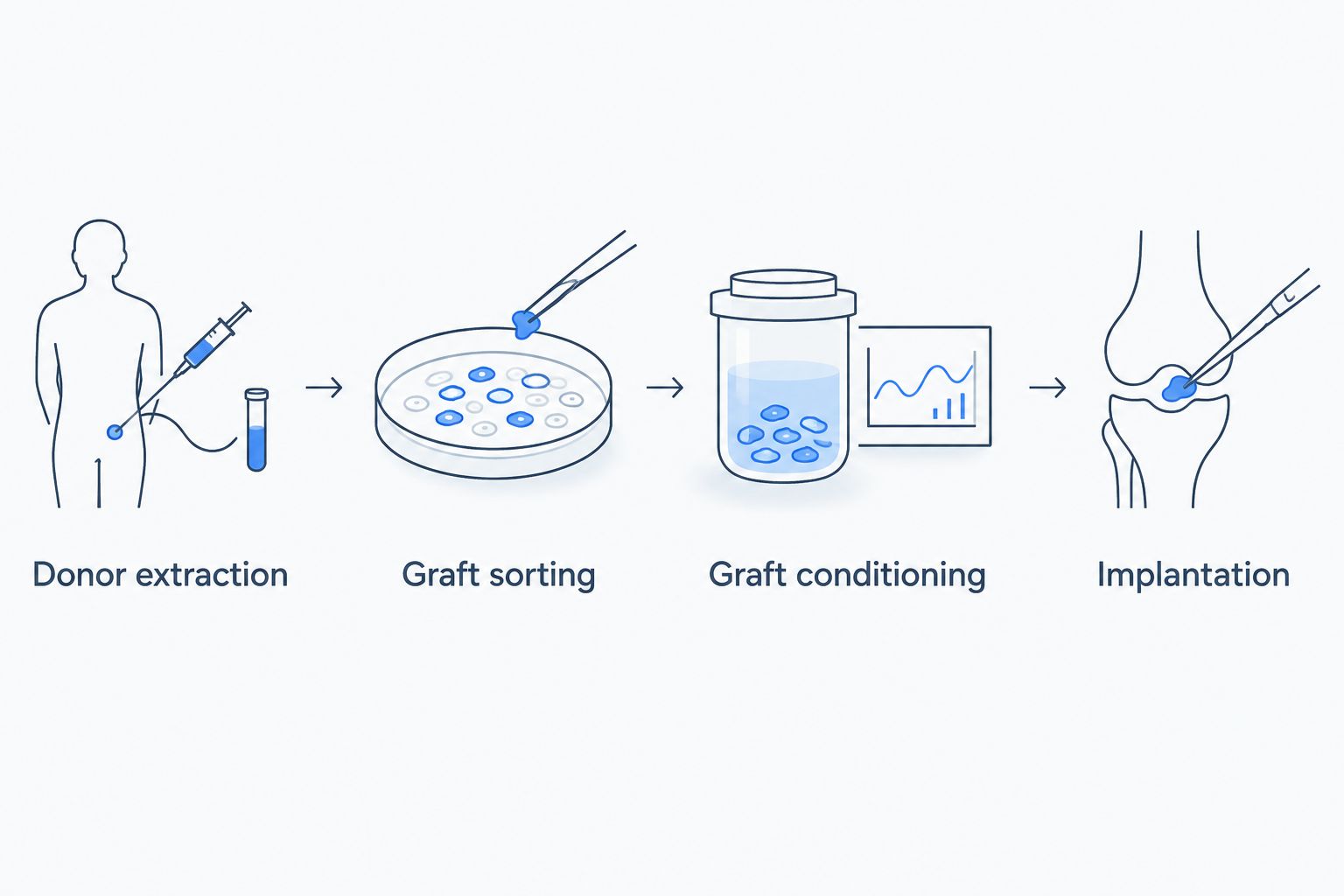
According to Igraft's supplied procedure description, DFI Ultimate follows these stages:
- Donor extraction: Grafts are extracted from the back of the head using specially designed serrated punches.
- Graft sorting: Extracted grafts are sorted into groups containing 1 hair, 2 hairs or 3 hairs.
- Graft conditioning: Grafts are held before implantation in a special graft holding/conditioning environment prepared from the patient's blood and peptides.
- Implantation: Grafts are implanted using implanter pens and micro-sapphire tools.
These are clinic-supplied process details, not independent clinical validation. They describe how the clinic says it handles grafts; they do not prove superior survival, damage-free harvesting, maximum density or a guaranteed natural appearance.
Ask why the proposed technique suits your donor area and recipient area. Also ask who performs extraction, recipient-site preparation and implantation, and how the clinician plans around possible future thinning.
Verdict: Hold until an examination establishes your suitability and the written plan answers your questions.
2. Dermatologist-led medical management: best for ongoing hair loss
Dermatologist-led medical management starts with identifying the type of hair loss rather than selecting a transplant technique. That distinction matters when shedding, scalp symptoms or progressive thinning are your main concern.
Best for: You have not received a clear diagnosis, or you need a plan for hair that is still thinning. A consultation should establish whether treatment, observation, further investigation or a surgical discussion is appropriate.
Where medical management shines
- It puts diagnosis before a surgical commitment.
- It creates room to discuss medicines and their suitability, adverse effects and monitoring.
- It addresses the condition affecting existing hair rather than treating coverage as the only problem.
Where medical management falls short
- It does not move donor follicles into a newly designed hairline.
- Some treatments require continuing use and follow-up.
- Treatment response varies; a prescription is not a promise of visible regrowth.
A common discussion includes minoxidil, but suitability depends on your circumstances and the formulation. Do not start, combine or stop treatments solely because another clinic's package includes them.
For a 2026 shortlist, the useful comparison is not medicine versus surgery as competing brands. It is whether you need medical management first, alongside surgery, or instead of surgery.
Verdict: Hold on surgery until the cause and pattern of ongoing hair loss are assessed.
3. Hair systems: best for non-surgical cosmetic coverage
A hair system provides cosmetic coverage without harvesting and implanting your own follicles. It answers a different question from medical treatment: how you want your hair to look, rather than how to treat the underlying condition.
Best for: You prefer a non-surgical appearance option or want to discuss coverage without relying on donor follicles. Make maintenance and scalp comfort part of the decision, not an afterthought.
Where hair systems shine
- They do not require transplant harvesting.
- They offer a route to cosmetic coverage rather than waiting for transplanted hair to grow.
- They let you discuss appearance separately from medical treatment.
Where hair systems fall short
- They do not treat the cause of hair loss.
- They require cleaning, upkeep and eventual replacement.
- Adhesives or attachment methods can cause irritation in some people.
Ask about attachment, removal, maintenance and what to do if your scalp becomes irritated. Examine the practical routine before committing.
Verdict: Hold until you understand the maintenance and are comfortable with a wearable solution.
Why people switch from HairMD India
There is no basis here to attribute dissatisfaction, changing policies or particular clinical outcomes to HairMD India. The valid reasons to seek another opinion are about your treatment needs—not an assumption that the existing clinic is inadequate.
Consider an alternative assessment when:
- You want a different procedure explained. Ask how the proposed extraction, graft handling and implantation steps differ, without treating a new name as proof of improvement.
- You are unsure surgery is appropriate. Seek a diagnosis-led discussion of medical and cosmetic alternatives.
- You need clearer responsibilities. Establish who makes the surgical decisions and who performs each stage.
- You need an explicit follow-up plan. Ask how reviews, concerns and complications are handled.
For any 2026 comparison, take the same questions to both consultations. Comparing different promises against different questions produces a misleading shortlist.
What to ask before choosing an alternative
A useful consultation ends with a plan you can explain in your own words. You should understand the diagnosis, the proposed intervention and the compromises involved.
Check the diagnosis
Ask what type of hair loss you have and which examination findings support it. If further tests are recommended, ask what question each test is intended to answer.
Check donor planning
Ask how the clinician assesses donor suitability and preserves options if hair loss progresses. A large graft proposal is not automatically a better plan.
Check the procedure description
Ask for plain-language explanations of extraction, storage, recipient-site preparation and implantation. The hair transplant techniques comparison provides a relevant starting point for questions about technique names.
Check consent and follow-up
Discuss surgical risks, including infection, scarring and an unsatisfactory cosmetic result. Ask what symptoms require urgent contact and who handles concerns outside scheduled reviews.
Choose the plan you understand, not the label you recognise. Keep a copy of the proposed treatment and aftercare arrangements so you can compare consultations consistently.
When staying with HairMD India is the right call
Staying with HairMD India is reasonable if your consultation gives you a clear diagnosis, realistic expectations, an appropriate donor plan and understandable consent information. Switching clinics is not an improvement by itself.
A second opinion is useful when it resolves a specific uncertainty. It is less useful when it simply replaces one unexplained technique name with another.
Your 2026 decision should rest on the clinician, the proposed treatment and the follow-up arrangements. No alternative deserves preference solely because it appears first in a comparison article.
FAQ
What’s the best HairMD India alternative in 2026?
Igraft is a relevant HairMD India alternative if you want in-person assessment with DFI Ultimate and ActiveFUE options. Dermatologist-led medical management or a hair system addresses different needs when surgery is not the right next step.
Is changing clinics better than staying with HairMD India?
Changing clinics is not automatically better than staying with HairMD India. Compare the diagnosis, clinician responsibilities, donor planning, consent discussion and aftercare before deciding.
What does DFI Ultimate involve?
Igraft describes DFI Ultimate as donor extraction with serrated punches, graft sorting, a blood-and-peptide graft holding/conditioning environment, and implantation using implanter pens and micro-sapphire tools. These are clinic-supplied process details, not independent proof of better outcomes.
Is DFI Ultimate the same as DHI hair transplant?
DFI Ultimate and DHI should not be treated as interchangeable names. Ask the clinician to describe the actual procedure rather than assuming that similar terminology means identical techniques or results.
Should I try medical treatment before a hair transplant?
You should have a diagnosis before deciding whether medical treatment or transplantation is appropriate. A clinician can explain whether ongoing hair loss needs treatment before or alongside a surgical plan.
Can a hair system replace a hair transplant?
A hair system can provide cosmetic coverage without transplant surgery, but it does not treat the underlying hair-loss condition. Compare its upkeep and scalp-comfort requirements with the implications of surgery.
How should I compare hair-transplant quotations?
Compare quotations against the same written treatment scope, not the headline amount alone. Clarify the proposed procedure, clinician involvement, follow-up and how concerns or additional treatment are handled.
One last thing
A graft is not the same as a hair. In the supplied DFI Ultimate description, sorted grafts contain 1 hair, 2 hairs or 3 hairs, so a graft total alone does not explain the planned distribution or cosmetic result.
Before consenting, ask the clinician to explain how graft composition, placement and donor preservation fit your treatment plan. The most useful second opinion answers a question your first consultation left unresolved.
Related guides
- Treatments for crown baldness
- Treatments for a receding hairline
- Hair regrowth treatments compared: GFC, PRP and exosomes