Best overall: a surgeon-approved gentle shampoo. Best for early moisture care: sterile saline when prescribed. Best for ongoing pattern hair loss: topical minoxidil after medical clearance. This 2026 guide compares the best post transplant hair care products by purpose, healing stage and risk; iGraft provides dedicated 6-month post-procedure support.
- The best post transplant hair care products match your surgeon’s instructions, not a generic recovery kit.
- Choose a surgeon-approved gentle shampoo for cleansing; use sterile saline only when instructed.
- Topical minoxidil treats pattern hair loss, not surgical wounds, and needs clearance before restarting.
- iGraft’s hair transplant aftercare includes dedicated 6-month post-procedure support.
Why this matters
A newly transplanted scalp needs a different routine from an intact scalp with thinning hair. A product sold for hair growth is not automatically suitable for fresh recipient sites, and an everyday shampoo is not automatically suitable for your first postoperative wash.
Your surgeon’s written aftercare instructions take priority over this buying guide. They should specify what touches the donor and recipient areas, when washing begins, how you apply products and which symptoms require a call. Keep those instructions beside your products rather than relying on packaging alone.
For your 2026 shopping list, separate healing care from long-term hair-loss treatment. Cleansing, prescribed moisture care and later sun protection serve different jobs; none replaces assessment of pain, infection or an unexpected skin reaction.
What makes the best post-transplant hair care products?
Choose products against these criteria before comparing claims:
- Surgeon approval: The exact product and application method must fit your procedure and current healing stage.
- Clear purpose: Know whether you are buying a cleanser, prescribed moisture care, hair-loss medication or sun protection.
- Scalp tolerability: Avoid ingredients that have previously irritated your skin. Fragrance-free does not mean reaction-proof.
- Low-friction application: A suitable formula still needs a suitable technique. Scrubbing and picking are not aftercare.
- Medication clarity: Check active ingredients and instructions. Do not confuse a cosmetic serum with a licensed medicine.
- A clear stopping rule: Know which reaction means stop the product and contact your treating team.
More bottles do not make a better routine. Add a product only when it has a defined role and your clinician has cleared it.
Post-transplant hair care products at a glance
These 2026 rankings compare product categories, not individual brands. Your clinician should approve the actual formulation before you use it on a healing scalp.
| Rank and product category | Best for | Standout feature | Key limitation |
|---|---|---|---|
| 1. Surgeon-approved gentle shampoo | Routine cleansing once washing is permitted | Removes surface oil and debris through the approved washing method | The formula and technique both need approval |
| 2. Prescribed sterile saline | Early moisture care when included in your protocol | A defined solution without added hair-growth actives | Not a disinfectant or a substitute for wound assessment |
| 3. Clinician-cleared topical minoxidil | Ongoing pattern hair loss after recovery clearance | An established medication for pattern hair loss | Can irritate the scalp; not intended for fresh surgical wounds |
| 4. Broad-spectrum sunscreen | Sun protection after the skin has healed and application is cleared | Protects exposed skin from ultraviolet radiation | Not for open wounds or uncleared recipient sites |
1. Surgeon-approved gentle shampoo: best for routine cleansing
A gentle shampoo is the default purchase because washing remains part of scalp care after transplantation. The important detail is not a promise of stronger roots; it is whether your surgeon approves the formula, timing and washing technique.
Ask for the exact product name or an ingredient-based alternative. If a clinic recommends a baby shampoo, that recommendation applies to its protocol—not to every product carrying a baby label. Read the formulation rather than treating the label as proof of suitability.
Gentle shampoo pros:
- Gives your routine a defined cleansing step.
- Allows you to avoid ingredients that have caused previous reactions.
- Does not need a hair-growth claim to serve its purpose.
Gentle shampoo cons:
- Fragrance, preservatives or other ingredients can still cause irritation.
- Scrubbing, fingernail contact or forceful rinsing can make an otherwise suitable product inappropriate.
- Cosmetic claims do not establish postoperative suitability.
Do not pick crusts to help a shampoo work. Follow the clinic’s instructions for lathering, contact and rinsing, including any differences between the donor and recipient areas.
Best for: People cleared to begin or continue postoperative washing.
Verdict: Buy the exact gentle shampoo your surgeon approves; skip an unapproved substitute.
2. Prescribed sterile saline: best for early moisture care
Sterile saline belongs on your list only when your treating team includes it in the recovery plan. Its role is prescribed moisture care, not stimulating hair growth or sterilising a surgical site.
Check the required product, packaging and application instructions. A homemade salt mixture, contact-lens solution and a prescribed wound-care saline product are not interchangeable simply because each contains salt and water.
Prescribed sterile saline pros:
- Provides a clearly defined solution when your protocol requires it.
- Keeps moisture care separate from shampoos and hair-loss medicines.
- Avoids adding unnecessary cosmetic ingredients to that step.
Prescribed sterile saline cons:
- Does not replace clinical assessment of a painful or inflamed scalp.
- Poor handling can contaminate a product intended to be sterile.
- Unnecessary spraying adds a step without a prescribed purpose.
Do not improvise a spraying schedule from another patient’s recovery story. Follow the handling instructions, including whether the container is single-use and how it should be stored after opening.
Best for: Patients whose surgeon has specifically prescribed saline moisture care.
Verdict: Buy when prescribed; skip self-mixed solutions and unapproved substitutes.
3. Clinician-cleared topical minoxidil: best for ongoing pattern hair loss
Topical minoxidil treats pattern hair loss; it does not clean wounds or make fresh transplant sites ready for treatment. It belongs in a long-term management discussion, not automatically in your immediate postoperative routine.
Common topical minoxidil strengths include 2% and 5%, but those figures are not a postoperative prescription. The suitable formulation, strength, application schedule and restart date depend on your medical assessment and the product’s approved instructions.
Topical minoxidil pros:
- Is an established treatment for pattern hair loss.
- Gives ongoing hair-loss management a defined medicinal option.
- Can form part of a clinician-directed plan for non-transplanted hair.
Topical minoxidil cons:
- Can cause scalp irritation and unwanted hair growth outside the intended area.
- Requires continued use to maintain treatment-related benefit.
- Is not suitable for application to an inflamed, infected, irritated or painful scalp.
Tell your clinician about previous reactions, other scalp medicines and relevant medical conditions before starting or restarting. Seek medical advice if treatment causes concerning symptoms such as dizziness, chest pain or a rapid heartbeat.
A transplant redistributes donor hair; it does not make surrounding hair immune to ongoing pattern hair loss. The hair loss treatments for men guide covers the broader treatment question, which remains separate from wound care.
Best for: People with diagnosed pattern hair loss whose clinician has cleared topical treatment.
Verdict: Wait for explicit clearance; do not restart solely because your usual bottle is available.
4. Broad-spectrum sunscreen: best for later sun protection
Sun protection matters when thinning hair or a transplant leaves scalp skin exposed. Once the skin has healed and your surgeon approves topical application, choose broad-spectrum, water-resistant sunscreen with SPF 30 or higher, consistent with American Academy of Dermatology public guidance.
Sunscreen is not a dressing for open wounds. During early recovery, ask your surgeon how to avoid direct sun and whether any head covering is appropriate without contacting or rubbing the grafts.
Broad-spectrum sunscreen pros:
- Provides ultraviolet protection for exposed, healed scalp skin.
- Has a defined protection label rather than a hair-growth promise.
- Supports ongoing skin care beyond transplant recovery.
Broad-spectrum sunscreen cons:
- Application and removal involve touching the scalp.
- Some formulations sting or irritate sensitive skin.
- Requires reapplication according to the label and exposure conditions.
Do not assume an aerosol is safer because it seems easier to apply. Ask which formulation suits your healed scalp, and follow the product’s directions rather than spraying near your face or breathing in the mist.
Best for: People with healed, exposed scalp skin who have clearance to apply sunscreen.
Verdict: Buy for the healed-skin stage; wait while application remains restricted.
Build your 2026 routine around permission, not a calendar
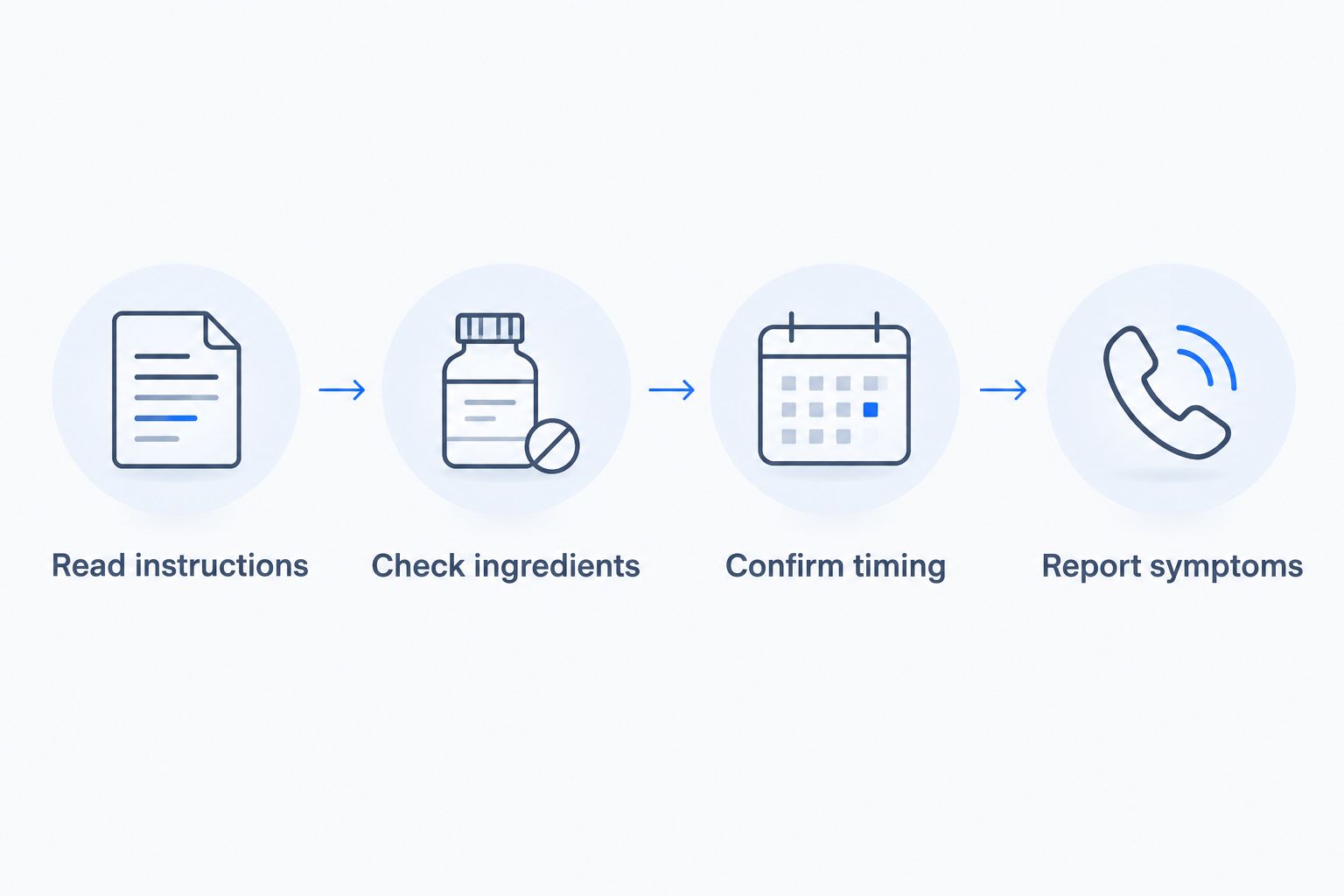
A generic recovery schedule cannot account for your procedure, scalp condition or complications. Before adding any product, use this sequence:
- Read instructions: Find the relevant step in your clinic’s written aftercare plan.
- Check ingredients: Confirm the exact formulation, not just the product category.
- Confirm timing: Ask when it can touch the donor area and recipient area.
- Report symptoms: Contact the team about worsening pain, spreading redness, pus, fever or a significant reaction.
Take photographs of product labels if you need help identifying an alternative. A familiar brand can sell several formulations, so the name alone does not settle whether the ingredients match the clinic’s recommendation.
For iGraft patients, the dedicated 6-month post-procedure support is the place to raise these questions. iGraft hair transplant aftercare is best suited to existing patients who need product advice tied to their procedure.
Check your aftercare plan
Ask about approved cleansing, product restart timing and your post-procedure support.
What to leave out of your recovery basket
Do not buy a product simply because its packaging mentions follicles, density or growth. Those claims do not establish that it belongs on a healing surgical site.
- Unapproved oils and serums: Ask before applying them, even when the ingredients are familiar.
- Scalp scrubs and exfoliating acids: Do not use them to remove postoperative crusts.
- Unprescribed antiseptics: A stronger sensation does not mean better healing care.
- Hair supplements without an indication: Biotin is not a universal answer to postoperative shedding or poor growth.
- Additional scalp procedures: Do not self-schedule needling or other treatments as a recovery shortcut.
Tell your clinician about supplements as well as medicines. Biotin can interfere with certain laboratory tests, making disclosure important even when you regard a hair supplement as routine.
How these product categories were ranked
The 2026 ranking prioritises a clear purpose, clinical permission, tolerability and practical application. Gentle shampoo takes the default slot because it addresses cleansing once washing is permitted; the other categories depend on a specific instruction or later treatment need.
This is not a head-to-head product trial. No individual formula earns approval through its category name, and no rank overrides your surgeon’s instructions.
Which post-transplant hair care products should you choose?
Start with the approved cleanser, not a complete recovery bundle. Add prescribed saline only if your plan includes it, keep minoxidil separate until cleared, and introduce sunscreen only when healed skin can tolerate application.
For your 2026 routine, write the purpose beside each bottle. If you cannot explain why it is there or when you are allowed to use it, pause and ask your treating team before applying it.
FAQ
What’s the best shampoo after a hair transplant?
The best shampoo after a hair transplant is the exact gentle formula your surgeon approves. Follow the prescribed washing method and start date; a baby or sensitive-skin label does not establish postoperative suitability.
Can I use saline spray after a hair transplant?
Use sterile saline when your treating team includes it in your aftercare instructions. Confirm the required product, handling method and application schedule rather than copying another patient’s routine.
When can I restart minoxidil after a hair transplant?
Restart minoxidil only when your treating clinician clears it. Fresh surgical sites and irritated or painful scalp skin are not appropriate places to apply topical minoxidil.
Are hair oils good for newly transplanted grafts?
Do not apply hair oil to newly transplanted areas unless your surgeon approves it. Familiar or natural ingredients do not establish safety for a healing surgical site.
Do I need biotin gummies after a hair transplant?
A hair transplant does not automatically create a need for biotin supplements. Discuss a suspected deficiency with your clinician and disclose biotin use before laboratory testing because it can interfere with certain results.
Can I put sunscreen on my scalp after a hair transplant?
Apply sunscreen only after the skin has healed and your surgeon has cleared it. For exposed, healed scalp skin, American Academy of Dermatology public guidance recommends broad-spectrum, water-resistant sunscreen with SPF 30 or higher.
Does iGraft provide help with post-transplant care?
iGraft provides dedicated 6-month post-procedure support. Use that support to confirm approved products, washing instructions and when existing hair-loss treatments can restart.
One last thing
The same bottle can be appropriate later and inappropriate now. Keep a short record of what you apply and when symptoms appear; if irritation develops, that record gives your clinician something more useful than a list of products you bought.
Related guides