Preparing for Your Hair Transplant: The 30-Day Checklist for Meds, Scalp Prep, and Blood Tests
A hair transplant is scheduled medicine, not a same-day salon visit. The month before surgery is when you sort medicines, get the scalp cleaner and better circulated, and finish blood work so the team is not guessing on the day. If you are planning treatment at iGraft Global Hair Services in Bangalore, Pune, Hyderabad, or Vijayawada, use this 30-day list as your working plan.
The same rules apply if you live nearby or you are flying in from the USA, UK, or Australia. About 30% of our patients travel to iGraft India for a mid-range, doctor-led session with transparent graft cost. They use this window to lock labs, photos, and travel days, not to hunt last-minute tricks.
Days 30 to 21: Get diagnosed, then pick a real graft plan
Book a consult first. Your doctor should check donor density, grade the pattern of loss, and talk through graft numbers against a natural hairline design. Say exactly what you take, including blood thinners, beta-blockers, antidepressants, and supplements. Hide nothing. A proper first visit also covers recovery rules, not only the pretty before-and-after board. istanbul-care.com treats that consult as the place to match expectations to donor supply.
At iGraft you sit in a company-owned clinic. There is no franchise hand-off. We use computerized hair and scalp diagnosis and follicular-level scans, so the plan comes from what your follicles show, not from a hallway estimate. If you cannot walk in yet, start with an e-consultation.
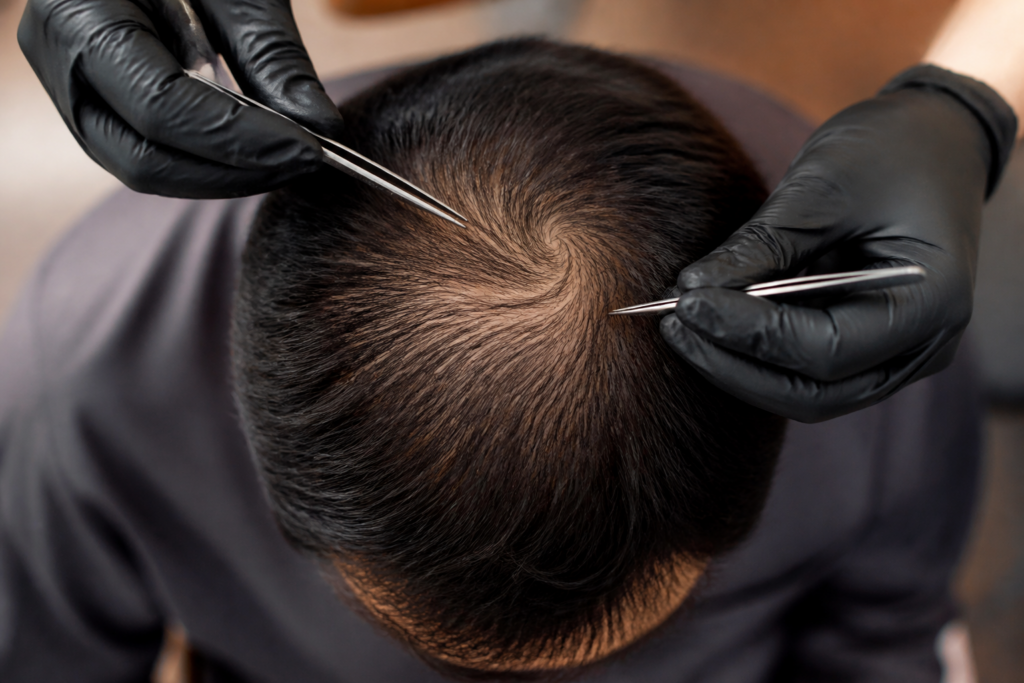
Photos help. Shoot the hairline, both temples, the crown, and the mid-scalp in similar light. Density notes over a few weeks tell the surgeon whether loss is stable or still moving. myhairline.ai makes the same point: a single glance in clinic is weaker than a short record.
Price the session in units, not in vague packages. ActiveFUE is ₹45 per graft. Gen3 DFI hair restoration (DFI Ultimate) is ₹50 per follicle. Both sit on our pricing table. For city numbers, read hair transplant cost in Bangalore and the India cost guide. Still torn between surgery, minoxidil, and GFC hair treatment? Take the 2-minute quiz before you freeze a date.
Days 21 to 14: Medicines to flag, pause, or keep
Do not stop a prescription because a forum said so. Your physician and the hair surgeon should agree on any pause. forhair.com flags aspirin and other anti-inflammatory drugs about two weeks out, because they raise bleeding during follicular unit extraction.
Review this list with the clinic:
- Aspirin, ibuprofen, and similar NSAIDs
- Vitamin E, fish oil, and high-dose garlic or ginkgo, which can thin blood
- Topical minoxidil, often paused 7 to 14 days before to calm the scalp
- Any steroid course, isotretinoin history, or recent infection treatment
Write doses and dates on one sheet. If you use Hair Minoxidil, serum, shampoo, or biotin gummies from our product line, put those on the sheet too. They are not a reason to cancel, but the team should know.
Cut alcohol and smoking in this window if your surgeon asks. Both affect circulation and graft take. cosmedica.com also tells patients to arrive rested and to skip styling products on the scalp.
Days 14 to 7: Scalp hygiene, massage, and hair length
Wash as instructed. Heavy oils, sprays, and leftover product raise the chance of irritation after extraction. drvanceelliott.com treats scalp hygiene as the base layer of a clean case, not a nice extra.
Massage is useful if you keep it gentle. Five to 10 minutes a day is enough for most people. Some surgeons allow 10 to 30 minutes. Use fingertips, light pressure, circular moves over donor and recipient zones. hairtrans.net and forhair.com both back this habit for blood flow.
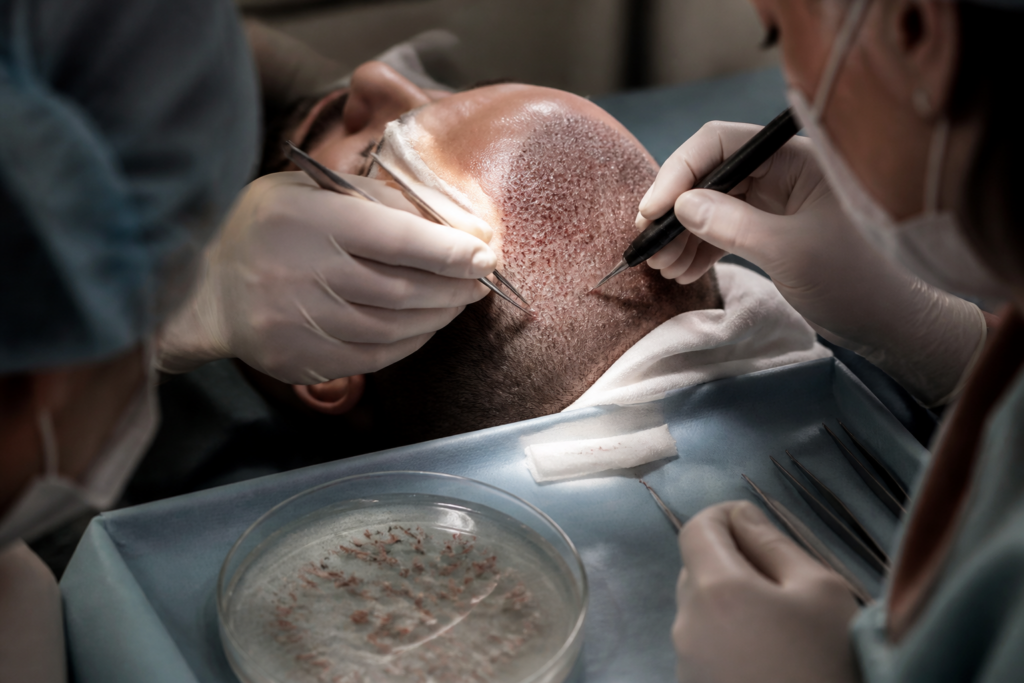
Do not shave the recipient area for at least two weeks. That hair shows direction of growth and helps the doctor design the line. For larger FUE sessions the donor zone is often trimmed to about 1 mm on the morning of surgery. You do not need to cut it yourself. If you want to keep your current style, ask about No Shave Hair Transplant. Each follicle is trimmed individually, so the session takes longer, but you leave without a fully shaved look.
If thinning is still active around the transplant zone, your doctor may plan PRP therapy, GFC, or BioCell treatment after the grafts, not as a surprise add-on on the table.
Days 7 to 1: Blood tests, clearance, and how you arrive
Get labs done early. Typical pre-op blood work includes:
| Test | Why the clinic asks |
|---|---|
| Complete blood count (CBC) | Screens anemia and infection risk |
| Clotting profile | Flags bleeding risk during extraction |
| Blood sugar | Uncontrolled diabetes slows healing |
| HIV and hepatitis screening | Standard surgical safety |
| ECG if you are over 50 or have heart history | Anesthesia clearance |
forhair.com lists this same core set. Patients who fly into India often repeat some tests after landing. arodya.com describes a common pattern: rest on day one, registration and blood work on day two, then specialist clearance. If you are an NRI, build two or three buffer days before the procedure. Our coordinators can line up consult, labs, and surgery across Bangalore, Pune, Hyderabad, and Vijayawada.
The night before, wash with the named shampoo. Skip gels and oils. Wear a button or zip shirt so nothing pulls over the head. Sleep. Tired patients bleed more and handle long sessions less well. On the morning, take only approved medicines and bring ID, reports, and your drug list.
After clearance: what you are actually booking
You are not buying a generic slot. DFI Ultimate is our advanced implantation method, with 29 years of assurance on the work. ActiveFUE is the other core option, also with per-graft pricing. Diagnosis is computerized. Clinics are company-owned, so you meet the doctor panel in person. After surgery you get 6 months of structured support, which is when washing, shock loss, and growth questions actually show up. The setup is 15-plus years old. That matters more than a slogan.
Graft prices in the USA often run $4 to $6. Turkey is frequently quoted near $1 to $2. India sits in a mid-range band if you choose a physical clinic with follow-up. See our India vs USA and UK comparison. Growth takes months. Grafts shed, then they grow. Anyone selling an overnight hairline is not describing this procedure. Read common myths before you pay a deposit.
FAQ
How far ahead should I stop alcohol and smoking?
Follow the written sheet from your surgeon. Many ask for one to two weeks. Stopping earlier is better if you can, because nicotine and alcohol both hit blood flow.
Do I have to shave my whole head?
Not always. Standard FUE often shaves the donor area on the day. Recipient hair is usually left long enough to guide natural hairline design. Ask about No Shave Hair Transplant if you need to stay discreet at work.
Can I keep minoxidil and biotin?
Pause topical minoxidil if your doctor asks, usually 7 to 14 days prior. Biotin is generally fine. Do not start new supplements in the last week.
What if a blood test is abnormal?
The date moves until the issue is understood. Anemia, high sugars, or a clotting problem is not a detail to hide.
I live abroad. How early should I fly in?
Arrive a few days before surgery so labs and rest are not rushed. Use e-consultation to lock the plan before you buy tickets.
Is iGraft only a transplant clinic?
No. We treat hair fall, thinning, and complete baldness. When it fits the scans, plans can include GFC Class 2, exosomes, advanced PRP, BioCell, boosters, and supportive high-frequency and low-level laser therapy. See hair fall options if surgery is not the first step.
Book the 30 days, then the surgery
If you want a mapped scalp, a graft count you can price, and a doctor who has seen your scans in the room, book at iGraft. Walk into best hair transplant in Bangalore care, Pune, Hyderabad, or the hair clinic in Vijayawada, or start remote and finish in clinic. Contact us with photos and your medicine list. We will tell you what to stop, what to massage, which labs to run, and when you should actually sit in the chair.