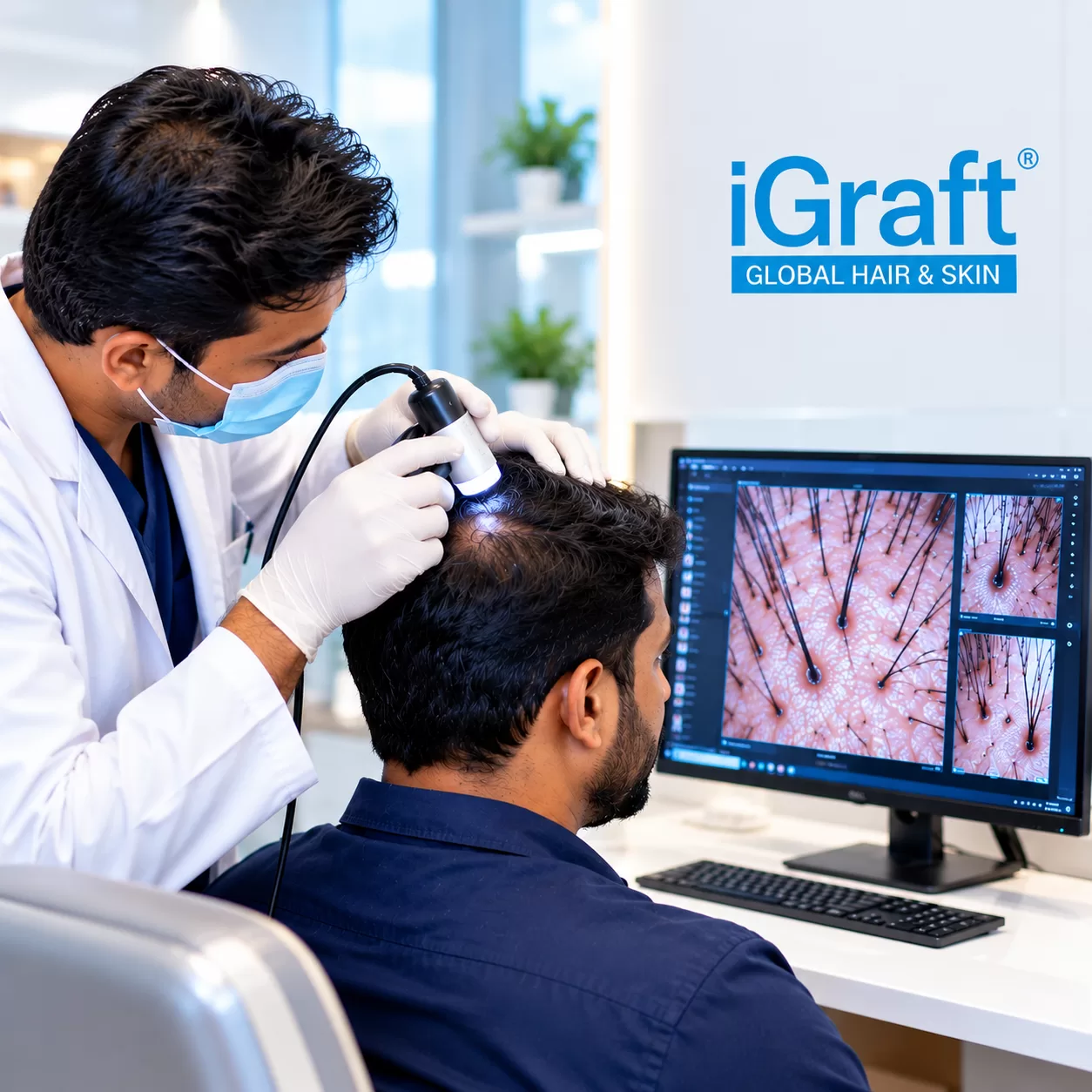
Unshaven Hair Transplant

Specialized Unshaven Hair Transplant
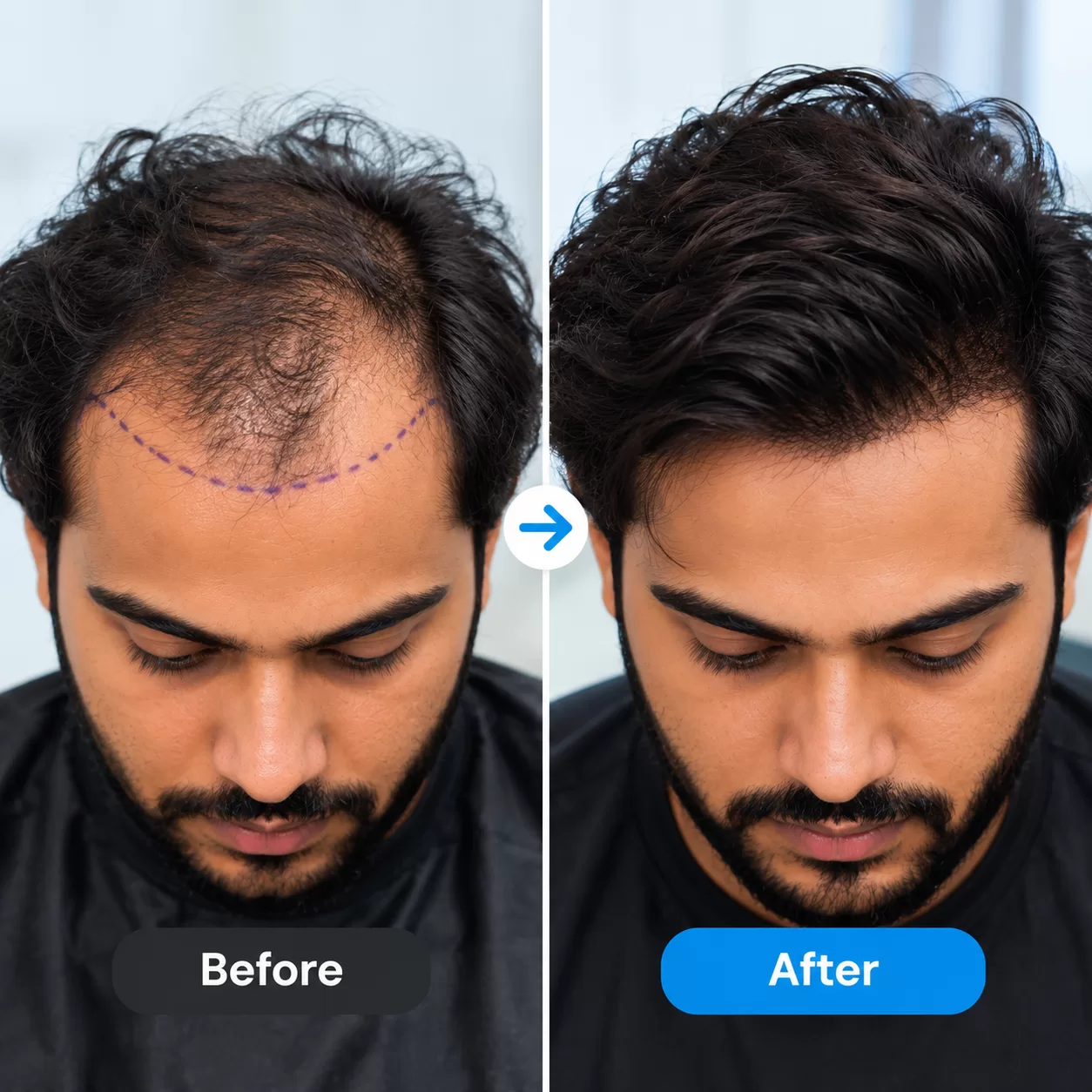
An Unshaven Hair Transplant is a hair restoration technique that allows suitable patients to undergo hair transplantation without completely shaving the existing hair. It may be considered for people experiencing hairline recession, thinning, crown hair loss, or reduced hair density who prefer to maintain their existing hairstyle during the procedure.
Unlike conventional hair transplant procedures that may involve shaving the recipient or donor area, an Unshaven Hair Transplant is planned to work around existing hair wherever clinically appropriate. Careful graft extraction, handling, and implantation are important to protect surrounding hair and achieve natural-looking integration.
At iGraft, the treatment plan is customized according to your hair-loss pattern, existing hair density, donor hair availability, scalp condition, hair characteristics, and desired coverage. The goal is to restore hair density while allowing the transplanted grafts to blend naturally with your existing hair.

Why Choose an Unshaven Hair Transplant?
An Unshaven Hair Transplant can be particularly appealing to individuals who want to minimize visible changes to their appearance during the hair restoration process.
Potential advantages include:
1. No complete shaving of existing hair
2.Maintains more of your existing hairstyle
3. Less noticeable change in appearance
4. Suitable for selected hair-loss patterns
5. Natural integration with existing hair
6. Personalized graft placement
7. Designed around individual donor availability
However, Unshaven Hair Transplant is not suitable for every patient. A specialist consultation is important to determine whether the technique is appropriate for your hair characteristics and treatment goals.
Who Is a Good Candidate for an Unshaven Hair Transplant?
An Unshaven Hair Transplant may be considered by individuals with:
a. Receding hairlines
b. Early to moderate hair thinning
c. Localized areas of hair loss
d. Crown thinning
e. Reduced hair density
f. A suitable donor area
g. Sufficient existing hair to work around during treatment
The final suitability depends on factors such as donor density, hair length, hair-loss pattern, scalp condition, and the number of grafts required.
Our Patients Speak
How Does an Unshaven Hair Transplant Work?
During an Unshaven Hair Transplant, the doctor evaluates the donor and recipient areas before planning the procedure. Suitable follicles are carefully extracted while preserving the surrounding existing hair as much as clinically possible.
The selected grafts are then prepared and strategically implanted into areas requiring improved density or coverage. Graft direction, angle, spacing, and hair characteristics are considered to achieve a natural transition between transplanted and existing hair.
Unshaven Hair Transplant vs Traditional Hair Transplant
The main difference is the approach to hair preparation.
A traditional procedure may involve shaving the donor and/or recipient areas, while an Unshaven Hair Transplant is performed with existing hair maintained wherever appropriate.
| Feature | Unshaven Hair Transplant | Traditional Hair Transplant |
|---|---|---|
| Existing hair | Maintained where suitable | May be shaved |
| Visible change | Generally less noticeable | More noticeable initially |
| Planning | Highly individualized | Individualized |
| Suitable for everyone | No | No |
| Donor assessment | Required | Required |
| Natural hair integration | Key objective | Key objective |
Does an Unshaven Hair Transplant Leave Scars?
Any surgical hair restoration procedure can result in some degree of temporary or permanent marking. The visibility depends on factors including the extraction technique, healing response, graft number, and individual scalp characteristics.
During consultation, the specialist can explain the expected recovery and potential scarring based on your specific case.
How Long Does an Unshaven Hair Transplant Take?
The procedure duration varies depending on the number of grafts, treatment area, donor characteristics, and individual treatment plan. A consultation is required to determine the expected procedure time for each patient.
Is an Unshaven Hair Transplant Painful?
The procedure is generally performed using local anesthesia to keep the treatment area comfortable. Some patients may experience temporary sensitivity, swelling, tightness, or discomfort during the recovery period.
Your doctor will provide individualized aftercare instructions following the procedure.
How Long Is the Recovery After an Unshaven Hair Transplant?
Recovery varies from person to person. Because the existing hair is maintained, the procedure may be visually less obvious than a fully shaved transplant, but the scalp still requires appropriate healing time.
Following the doctor’s post-transplant care instructions is important for protecting the transplanted grafts during recovery.
Is Unshaven Hair Transplant Suitable for Everyone?
No. An Unshaven Hair Transplant is not suitable for every patient. The technique depends on factors such as hair length, donor density, existing hair, extent of hair loss, number of grafts required, and the treatment area.
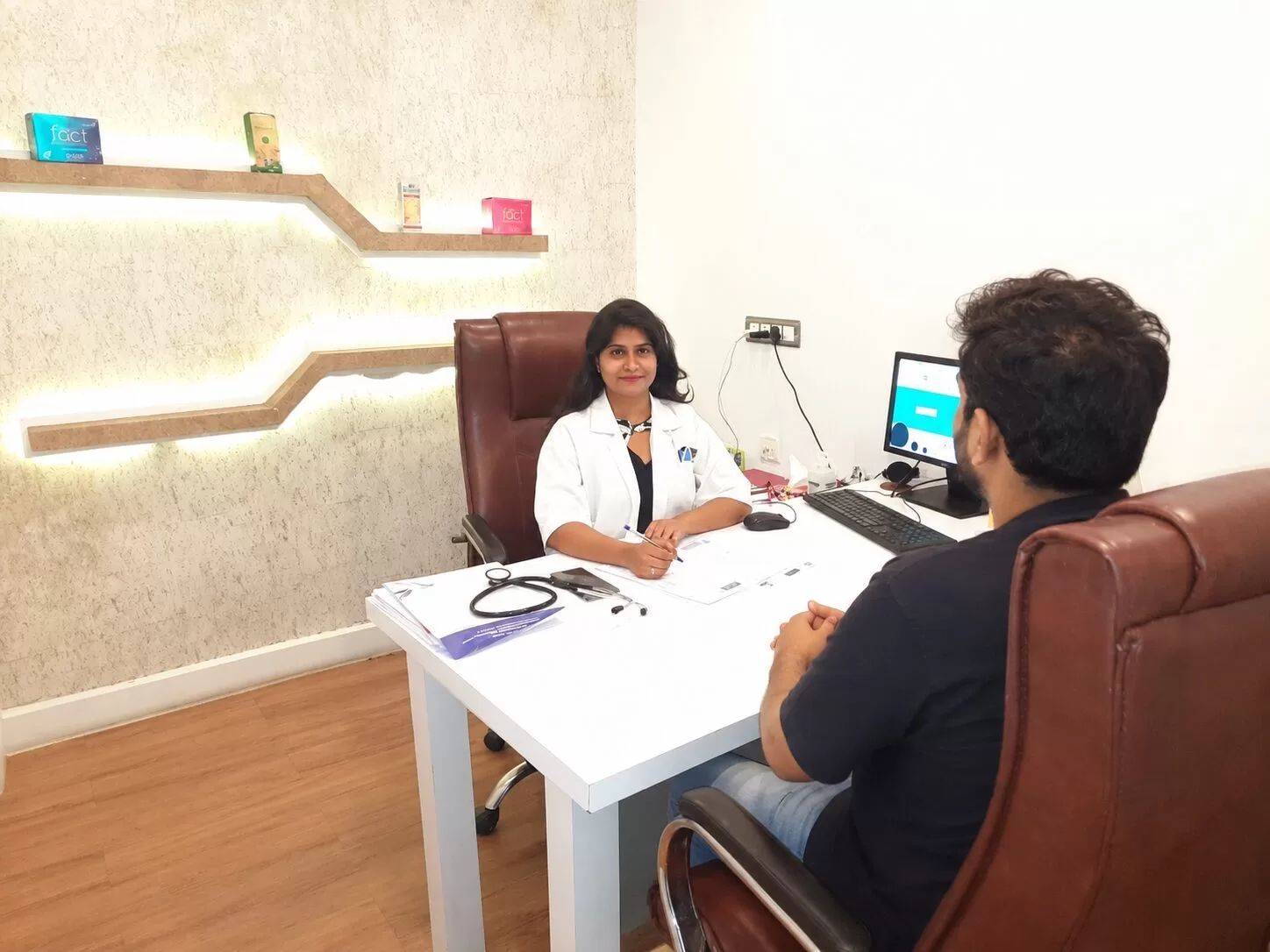
A specialist assessment is the best way to determine whether you are a suitable candidate.
An Unshaven Hair Transplant is a hair restoration technique in which suitable patients can undergo transplantation while keeping existing hair unshaved. It is designed to minimize visible changes to the patient’s hairstyle during the procedure and recovery.
Yes, selected patients can undergo an Unshaven Hair Transplant without completely shaving their head. Suitability depends on hair length, donor density, hair-loss pattern, and the number of grafts required.
Neither technique is universally better. Unshaven Hair Transplant may be preferable for suitable patients who want to maintain their existing hairstyle, while a conventional approach may be more appropriate for other patients. The doctor determines the suitable technique after evaluation.
In some cases, a previous hair transplant can be corrected or improved. Failed Hair Transplant Repair requires an assessment of the existing grafts, donor area, scalp condition, hair density, and the reason for the unsatisfactory result before treatment is recommended.
Depending on the situation, Hair Transplant Repair may help address poorly positioned or visibly placed grafts. A specialist evaluates graft direction, spacing, hairline design, and surrounding hair before deciding on the appropriate corrective strategy.
People with suitable donor density, sufficient hair length, localized thinning or hair loss, and appropriate treatment requirements may be candidates. A consultation is necessary to determine individual suitability.
The objective is to create natural-looking hair growth by matching graft placement, direction, angle, density, and existing hair characteristics. Individual results vary.
The Unshaven Hair Transplant cost varies depending on the number of grafts, treatment area, donor availability, technique, and individual requirements. A personalized consultation is needed for an accurate estimate.
Yes, Unshaven Hair Transplant treatment is available in India at specialized hair restoration clinics. Patients should choose a qualified medical team with experience in assessing whether an unshaven approach is appropriate for their individual case.
A specialist evaluates your donor area, existing hair density, hair-loss pattern, scalp condition, hair length, and restoration goals. Based on this assessment, the doctor can determine whether an Unshaven Hair Transplant is appropriate.